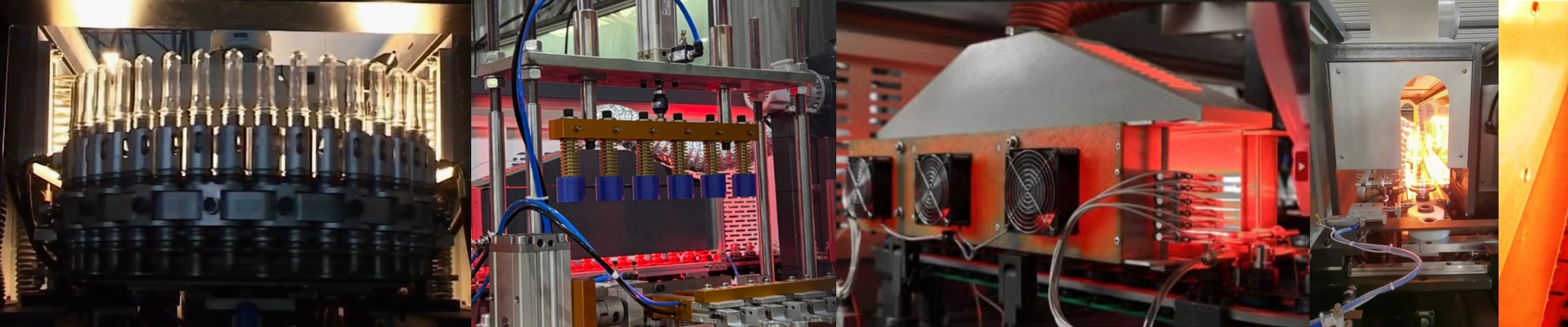



Out on the line, the blow molder is trying to tighten the cycle, but the preform heating keeps fighting you. Underheated necks, walls that run too hot, and output that drifts—most of the time, you can trace it back to the heating tunnel. That 3000W high-power infrared lamp for PET isn’t just a replacement part. It’s the control point that makes repeatable heating possible.
What matters, technically
We built this emitter around a short-wave infrared source, delivering 3000W of focused radiant power so it responds fast and holds steady. The quartz envelope handles thermal shock, and the standard R7s connector drops it straight into a lot of heating modules. You get predictable spectral output and stable temperature profiles across the preform surface—exactly what you need when you’re running thin-walled or high-stretch PET designs.
Output stays consistent over long runs, and we size the lamp to match the OEM tunnel geometry so the heating pattern doesn’t wander.
Why it works on a stretch blow molder
In stretch blow molding, preform heating has to be fast, even, and repeatable. A 3000W infrared lamp cuts the time to reach setpoint, reduces temperature lag between zones, and supports higher throughput without overworking the neck ring.
The payoff is fewer rejects from inconsistent stretch, less scrap from thermal stress, and fewer headaches chasing drift. Energy use comes down because the lamp heats on demand and cools quickly, and the stable profile lets you run closer to the edge without risking quality.
The details you can’t skip
This lamp is designed as a direct-fit upgrade, but you still have to match the base, length, and terminal spacing to your blow molder’s heating tunnel. Check reflector alignment and zone wiring—mismatched reflectors scatter energy and create hot and cold bands.
Also confirm your controller can handle the inrush and PID tuning for short-wave infrared. Run a short validation: measure surface temperature across preforms, then lock in the new settings before you scale up.