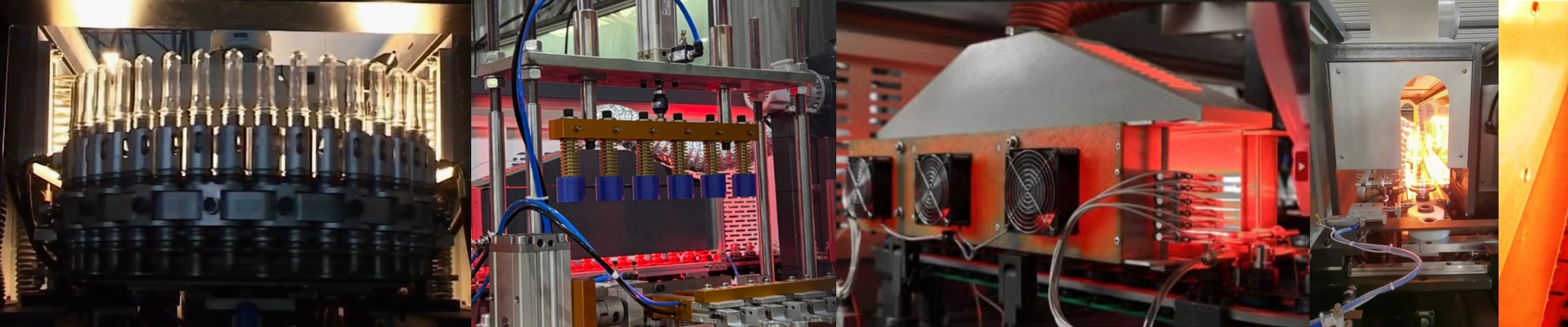



Once service hits, the last thing you need is a chafing dish that fights you. Water pans fog the lid, condensation drips back onto the food, and holding temps start to drift. You’re left wiping, fiddling, and making excuses. We built a short-wave quartz IR emitter to stop that cycle. The goal is simple: keep your holding ovens doing their job—holding temperature—instead of chasing steam. What’s actually going on under the hood It’s a short-wave quartz IR emitter, and the reason we use it is speed. You get full output in seconds, not minutes. It runs on standard commercial voltage, draws a predictable load, and throws a tight, directional pattern that hits the chafing dish surface, not the air around it. The wavelength is tuned for fast surface drying, and the filament plus reflector geometry are matched to the shape of a chafing dish well. In practice, that means you knock off surface moisture fast—without cooking the food or pushing humidity right back into the pan. Why it matters on a busy line When you’re in the thick of it, time and consistency are what cost you. This emitter cuts the warm-up window and keeps holding temps steady by cutting down the water load that fights your heat. You see fewer temperature swings, fewer dry-out spots, and fewer calls to the line to re-temper food. Energy use drops because the oven isn’t constantly reheating air after evaporative cooling, and your staff aren’t babysitting water levels and towels. What you need to get right Installation is straightforward, but placement is everything. Aim the beam to hit the bottom of the dish, and keep it off plastic and thin-gauge handles. This emitter gets hot, so clearance to nearby pans and insulation matters. It dries quickly, sure, but it performs best when your holding cabinet is well ventilated. Airflow pulls moisture away, and the IR keeps the surface dry. Match the wattage to your oven’s duty cycle, and you’ll get repeatable holding performance, shift after shift.