


Picture this: lights down, the screen pops, and the movie starts. Then the forced-air system kicks on, whispering—or more like whispering you right out of the moment. In a home theater, background noise isn’t just annoying. It breaks the immersion you worked so hard to build.
What actually matters, technically
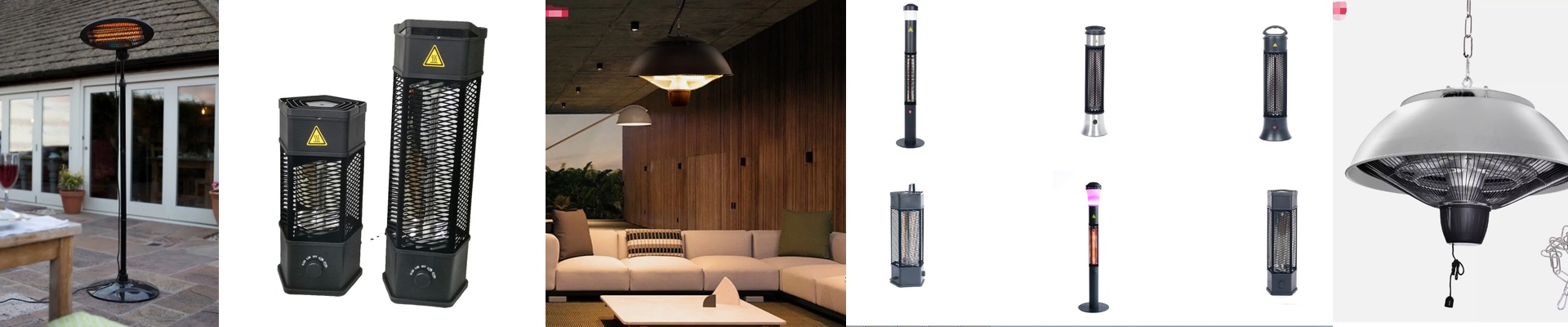
Infrared heaters warm objects and people directly, not the air. We lean on a carbon fiber element or a quartz tube that puts out radiant heat, so the warmth lands even and feels natural. And there’s no fan noise. Most models pull between 1,200 and 1,500 watts and plug into a standard 120V outlet, so setup is straightforward. A built-in thermostat holds your comfort level, while tip-over protection and overheat sensors keep things steady.
Why this works in a home theater
A home theater is as much about sound as it is about picture. Electric infrared heaters keep the acoustics clean—exactly what you built the room for. You feel warmth within seconds, without the drafts and temperature swings you get from ducted systems. Because the unit doesn’t circulate air, it doesn’t stir up dust, and the room stays quiet. Energy use stays focused where you need it, so you can run long movie nights without sweating a surprise spike on the bill.
What you need to know
Infrared warmth is directional, so aim the unit to shine on the seating area. If you need full-room comfort, pair it with gentle, low-noise circulation when it makes sense. Check the clearances around the heater and make sure your circuit can handle the wattage. These heaters are quiet and efficient, but they perform best in well-insulated spaces—keep drafts under control, and the warmth will hold steady through every scene.