


Introduction
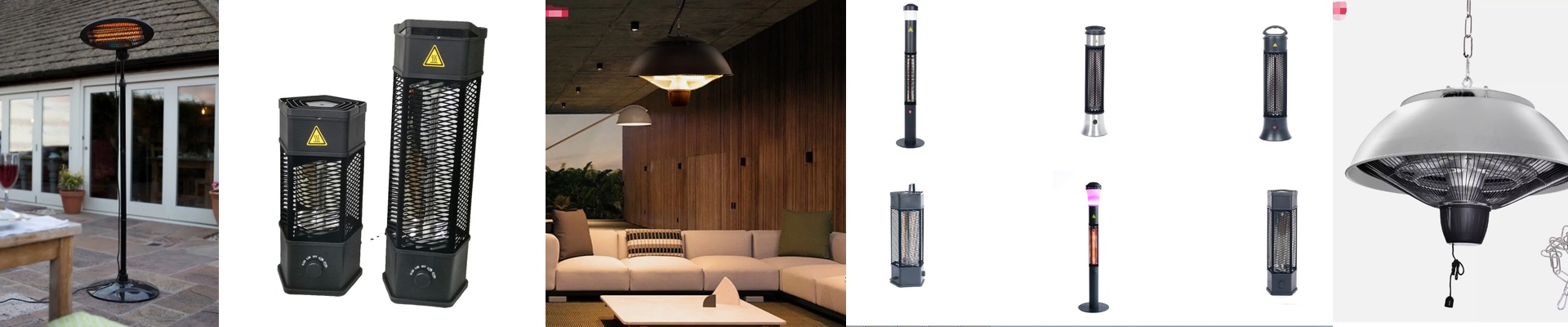
We built this freestanding infrared heater for the places where dampness, fog, and sudden splashes are just part of the day. The goal? Give you steady, comforting radiant heat—without letting the weather kill the unit. We sealed and shielded the heating element and circuitry so water stays out, tackling the main reason heaters fail early in the field.
The Nitty-Gritty
Inside, the heater runs on a setup that cares more about real-world conditions than perfect specs. The power rating and voltage tolerance are chosen to keep heat consistent, even when the supply voltage wobbles. That helps you avoid the repeated heating-and-cooling stress that wears components out. The freestanding design keeps safe clearances inside, so you don’t get hot spots or localized overheating. It’s easy to set down and move when you need to, but the wiring path is kept short and direct. That cuts down on voltage drop and reduces heat at the connections. The payoff? Fewer hot joints, less insulation breakdown, and a much smaller chance of those maddening, intermittent faults after months of use.
Materials and Build
Anti-fog starts right at the front. We use a sealed barrier and a controlled thermal profile so condensation doesn’t form on the critical surfaces. The quartz envelope and protective coating are tough enough to handle thermal shock and chemical exposure, so output stays steady even when the humidity spikes. The enclosure isn’t just a cover—it’s a structured shield that directs water away from vents and connection points. We pair that with connectors built for reliability. They hold tight through vibration and temperature swings, which prevents arcing and fights the loosening that so often causes early failure in wet, humid spaces.
Where It Shines
This heater is made for spaces that need instant, directional warmth—think workshops, entryways, and semi-exposed production areas. Because it’s anti-fog and splash-resistant, it keeps running when moisture would normally force you into maintenance. One reality check: with high heat density, airflow matters. Make sure the surrounding area has enough ventilation so the protective surfaces stay within their designed temperature range. We built this to take a beating and still perform. For you, that means fewer service calls, dependable uptime, and a heater that survives the environment instead of giving up on it.