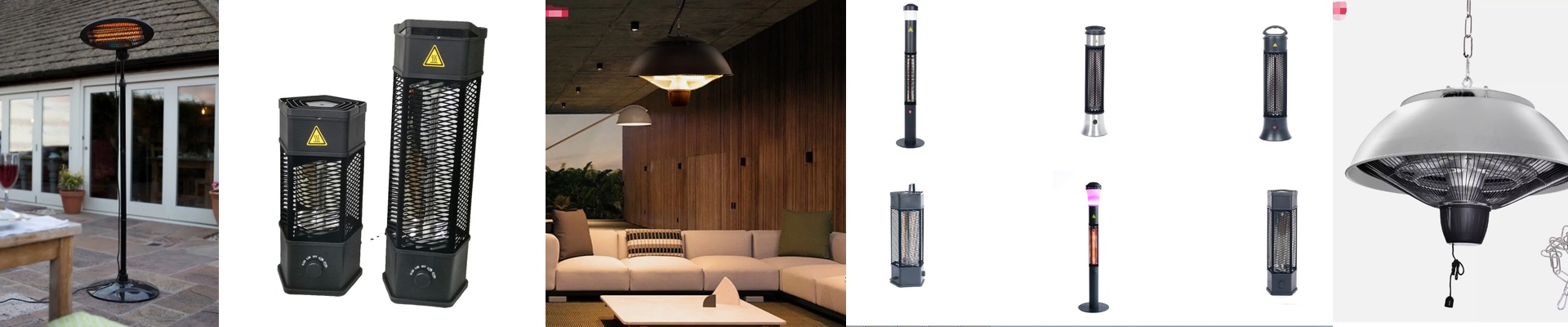
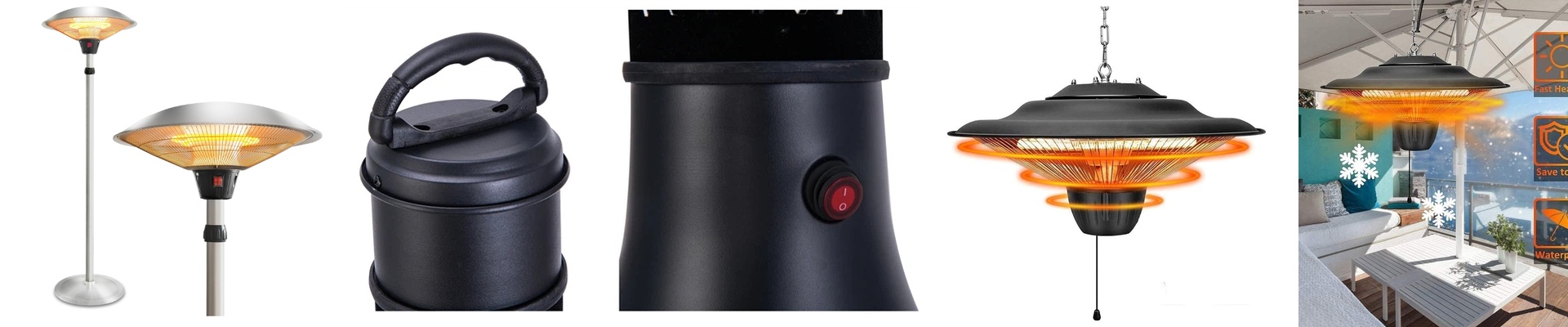
Why we stopped building “permanent” pergola heaters
If you’ve ever owned an outdoor heater, you know the drill. They live a hard life. Between the humidity, the rain, and the constant temperature swings, they just take a beating. Eventually, the heating element burns out. It happens to everyone. The problem is that most companies build these things as sealed boxes. When one little tube dies after five years, you’re basically stuck throwing the whole chassis in the trash. It’s a waste of money and a pain in the neck. We decided to do it differently. Instead of a sealed unit, we went with a modular design. Think of the heating element like a lightbulb—it’s a part that wears out, so it should be easy to replace. You don’t have to rip the whole thing off your pergola or spend an afternoon rewiring the housing. You just swap the dead tube for a fresh one and get back to enjoying your patio. To make this actually work, we used quick-release brackets and standard connectors. No soldering wires while you’re standing in the rain. You just pull the old module out, slide the new one in, and lock it down. We kept the housing waterproof, of course, but we made sure you don’t need a specialized toolkit just to open the access panels. Now, being honest, modular designs have a trade-off. More joints mean more places where water could potentially sneak in. To fix that, we use reinforced silicone seals. The only “catch” is that you have to wipe those seals clean when you swap the module. If you leave a bunch of grit or dirt in there, you’re asking for moisture to get into the electronics. Simple, but important. For anyone managing a commercial space or just someone who hates wasting money, this is a huge win. You stop paying for entire new units every few years. You buy a replacement tube, spend a few minutes swapping it out, and you’re warm again. It turns a nightmare repair into a quick weekend chore.