


Introduction
We built this 3-phase electric infrared heater for engineers who just need heat they can count on—again and again. It responds quickly, fits into tight spots, and keeps its head when the workday runs long. This isn’t some cozy decorative warmer. It’s a serious, CE-certified industrial heating element, built for process environments where control and reliability can’t be optional.
Power, voltage, and why the details matter
We went with a 3-phase setup for one reason: stability. It keeps power balanced across the legs, so you don’t get harsh current spikes on one phase—especially when the heater is running for long stretches. It’s rated at 400V, which lines up with standard industrial supply. So you can wire it in without reworking the whole panel. The tube is 300mm long because that’s the sweet spot: short enough to squeeze into tight machine bays, long enough to give you a uniform hot zone. At 2500W, it packs serious heat density. That means fast ramp-up when you need it. Just plan for proper cooling and clearance—when the heat is concentrated, nearby components feel it.
What’s inside—and why it stays tough
Inside, a halogen cycle keeps the filament stable over time. No blackening. Just consistent output, even after heavy use. The envelope is quartz, so it takes thermal shock and high temperatures in stride without cracking. A reflective coating pushes infrared energy forward, where you need it. That boosts directional efficiency and helps keep waste heat off nearby wiring and sensors. The R7s connector is a practical, field-proven choice. It handles high temperatures, installs fast, and gives you solid, reliable contact. If you’re replacing an existing fixture, this is a straightforward drop-in—minimal re-engineering.
Where this heater shines—and what to keep in mind
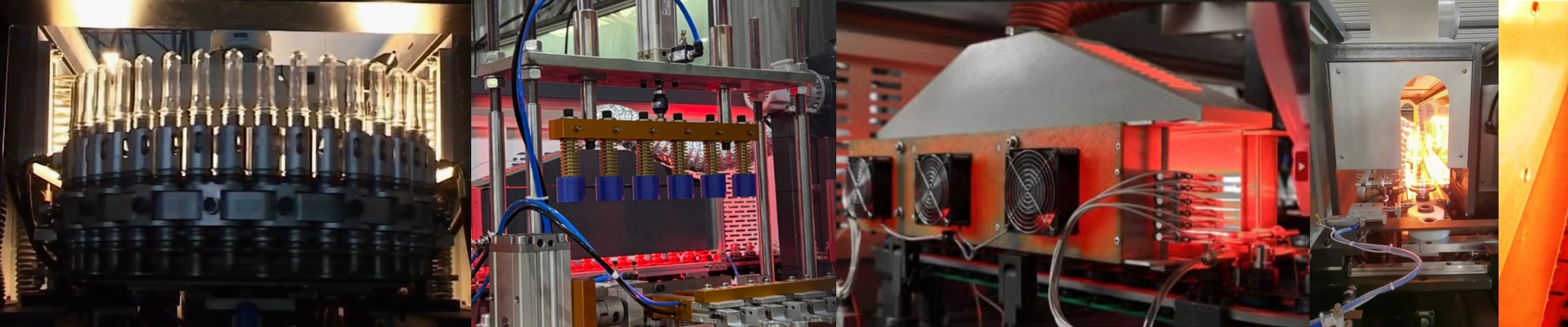
This is the one to reach for when you need rapid, localized heating—packaging, curing, drying, thermal processing. The 3-phase design keeps things steady during continuous operation, and the compact tube footprint lets you put the heat exactly where the process needs it. CE certification means it meets recognized safety and compliance requirements for the European market, so integration is simpler. The trade-off is honest: you get fast, controllable heat in a small package. And you still need to manage airflow and mounting spacing to keep the surrounding area within safe temperature limits.