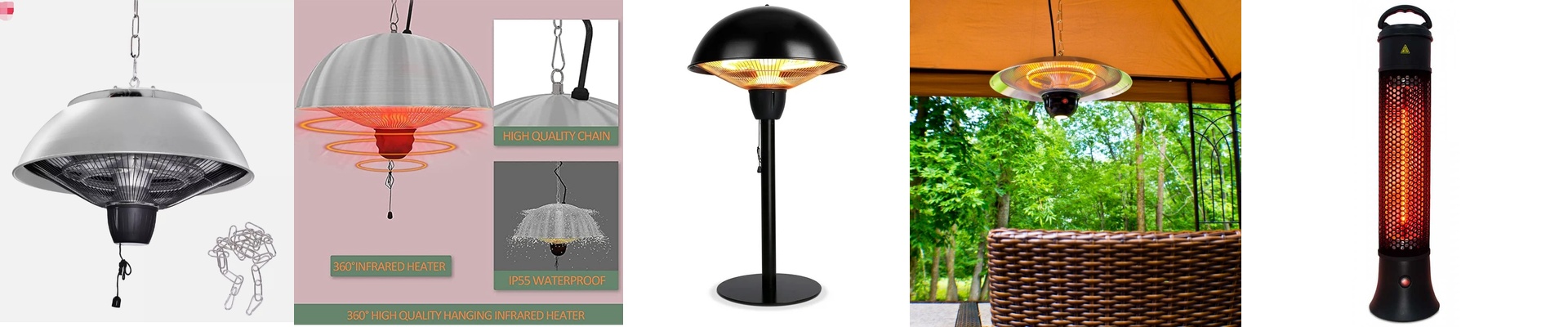
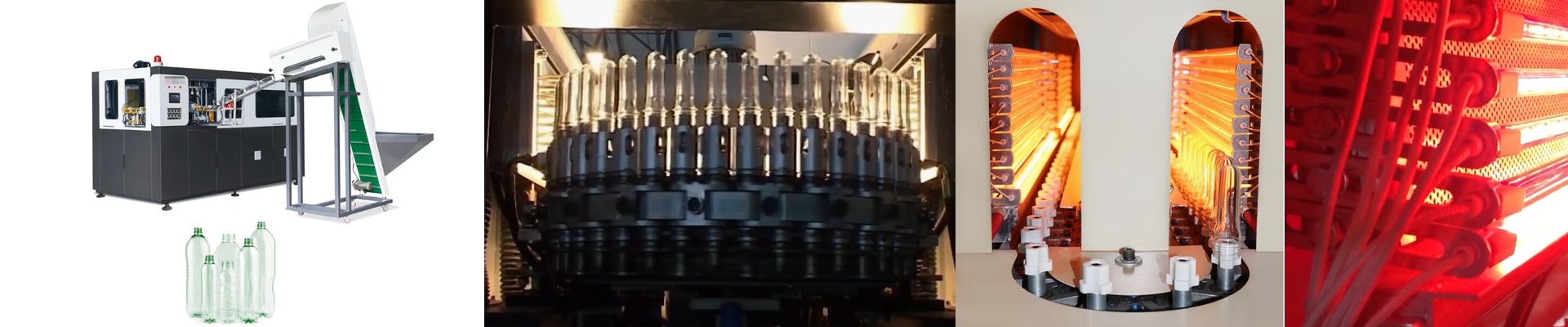
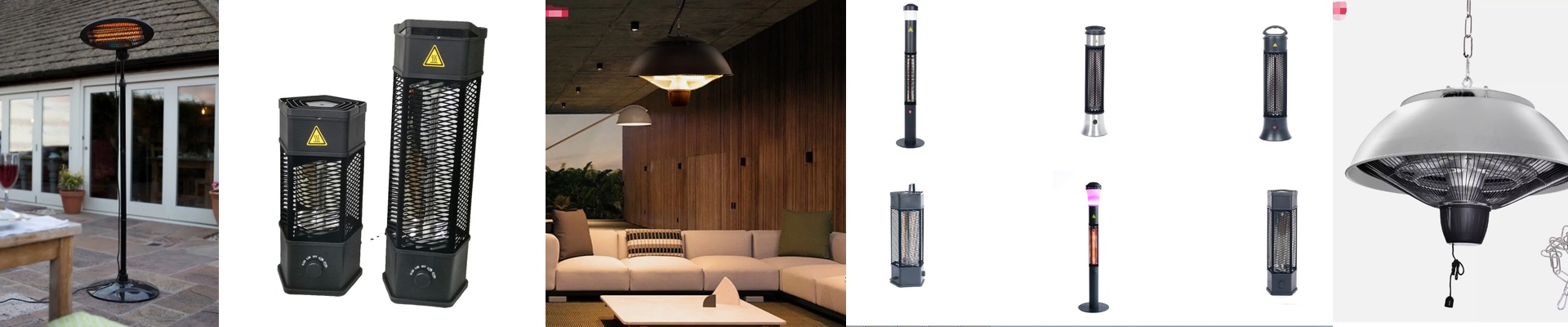
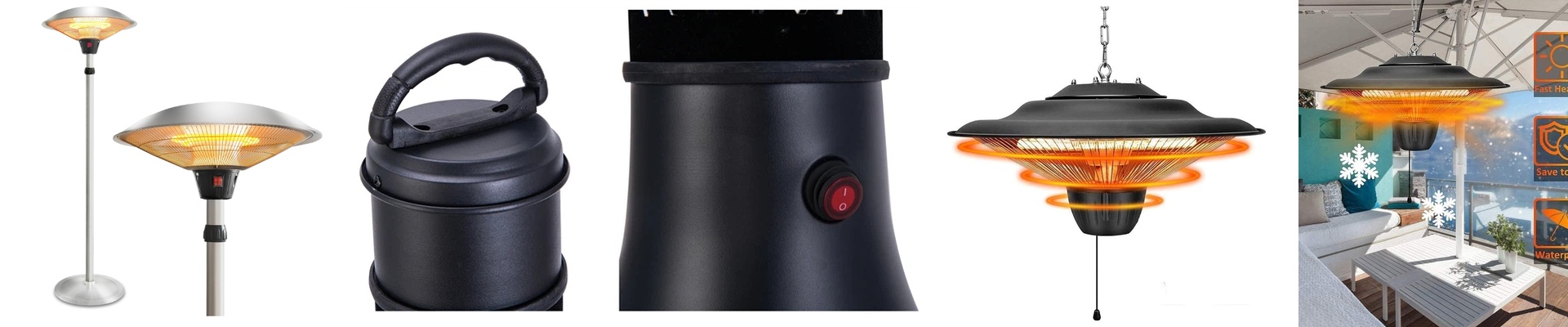

An attic in winter is anything but forgiving. It turns into a cold pocket that bleeds heat from the rooms below, forcing the main system to run constantly while your floors stay chilly and sleep gets disrupted. When you’re actually using the space—for storage, a workshop, or a quiet corner—the right heater does more than bump the temperature. It makes the space livable again, without overshooting and without wasting energy. What I lean on, technically We build this attic heater around infrared radiant warmth. It heats people and surfaces directly, instead of pushing air around and hoping it behaves. That gives you comfort right away and cuts down on heat loss through vents and gaps. Inside, a long-life carbon fiber element delivers steady output with quick response, and a built-in thermostat keeps the feel consistent. The housing is designed for low-profile mounting, and it runs quiet—no fan noise, no drafts. Why this approach fits attics Attics are tough to heat because they’re drafty, patchy on insulation, and usually cut off from conditioned airflow. A conventional heater can run for hours and still leave you cold. With infrared, you’re warming the spots you actually occupy, so you feel cozy sooner—even when the surrounding air is still chilly. That also translates to shorter run times and lower running costs, because you’re not trying to heat the whole volume just to feel warm. The details that matter on install We offer flexible voltage options—110V, 220V, 230V, and 240V—with plug and wiring setups matched to regional standards, so the unit can be installed in homes across different countries. Clearances matter, especially near stored materials, and the heater needs a dedicated circuit to perform reliably. Infrared heat feels natural, but it doesn’t warm cold air the way forced-air systems do, so pairing it with basic insulation improvements is the smart move in very cold, open attics.