


Introduction
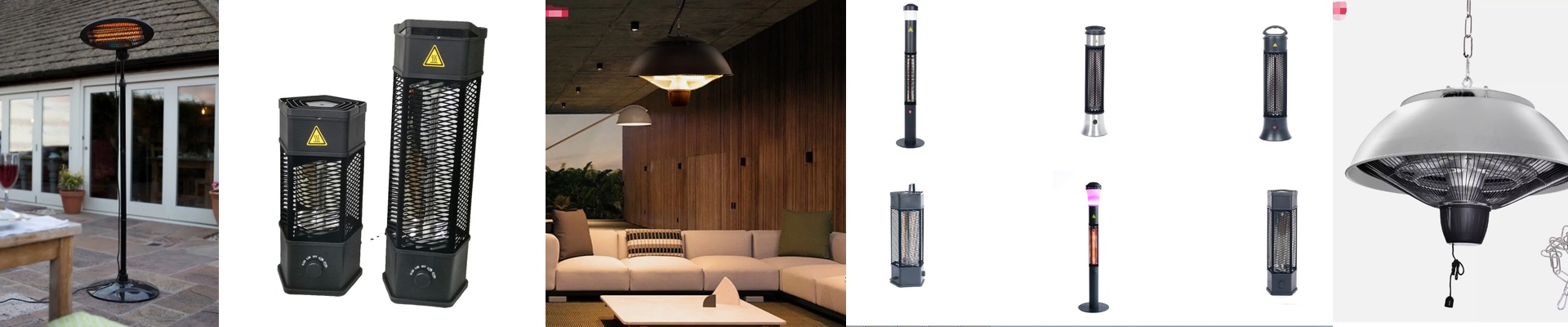
Let’s talk about mini infrared space heaters. They’re these tiny powerhouses, built for one thing: blasting heat into a small spot. You’re packing a ton of wattage into a little quartz tube. And that creates a brutal heat zone right where the wires exit. If the seal isn’t rock-solid, the whole thing gives up the ghost pretty quickly. Usually, you’ll see the insulation break down, the parts oxidize, and then—short. Game over.
Power, Voltage, and Size
Here’s the deal. These heaters run on standard voltage, like 120V or 240V, but they’re engineered to squeeze a lot of heat into a small space. The science is pretty straightforward: more wattage in a short tube means a hotter filament and faster heat. But that power is only stable if the electrical connections can handle the heat, too. And because the design is so compact, the spot where the wires connect is right up against the hot zone. Heat travels right up the wire and into that connection. If the seal doesn’t manage that heat, the insulation and connections get cooked beyond their limit.
The Real Hero: The Seal
The heating element gets the glory, but the real hero is the lead-wire seal. In these heaters, the quartz tube has to be fused to metal terminals. A proper hermetic seal uses high-temperature brazing or fusion to lock the terminal into the quartz, creating a completely airtight barrier. Why does that matter? Because if air gets in, the internal conductors and filament supports start to oxidize. That changes the resistance, and eventually, they just burn out. A weak seal also lets moisture in when the heater cycles between hot and cold. That leads to leaks and shorts. When we build them, we treat that lead-wire exit as a critical, controlled point—not an afterthought. We choose the terminal material, the glass-to-metal bond, and the external insulation specifically to match the extreme temperature at that connection.
The Payoff: Reliability When It Counts
Out in the real world, these mini heaters take a beating. They get hit with thermal shock on startup, they cool down, heat up, and vibrate along with the equipment around them. A hermetic seal keeps the inside atmosphere stable and keeps contaminants out of the hot zone. The result? Consistent heat and far fewer breakdowns. Now, it’s not free. A sealed, high-temperature connection means tighter assembly control and better materials, which costs more. But if you want a heater that survives constant heat cycles without hunting down mysterious shorts, it’s the only spec that matters.