
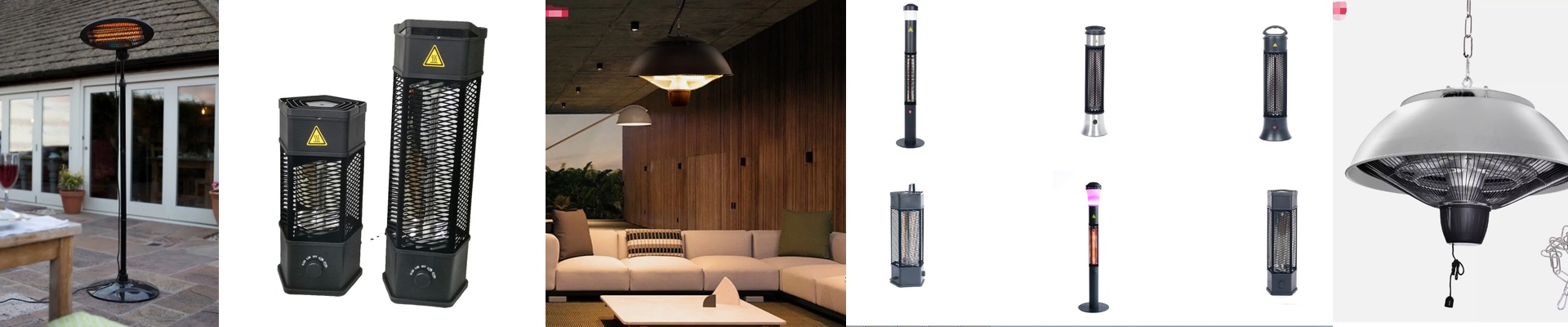


Why “IP55” Isn’t Enough: The Truth About Bathroom Heaters
We build our infrared heaters to survive the worst. Think steamy bathrooms, wild temperature swings, and the occasional direct splash of water. On paper, an IP55 rating means the housing keeps out dust and handles low-pressure water jets. But here’s the thing: a rating on a datasheet doesn’t actually tell you how a product will hold up after two years on a wall.
The Problem with “One-and-Done” Testing
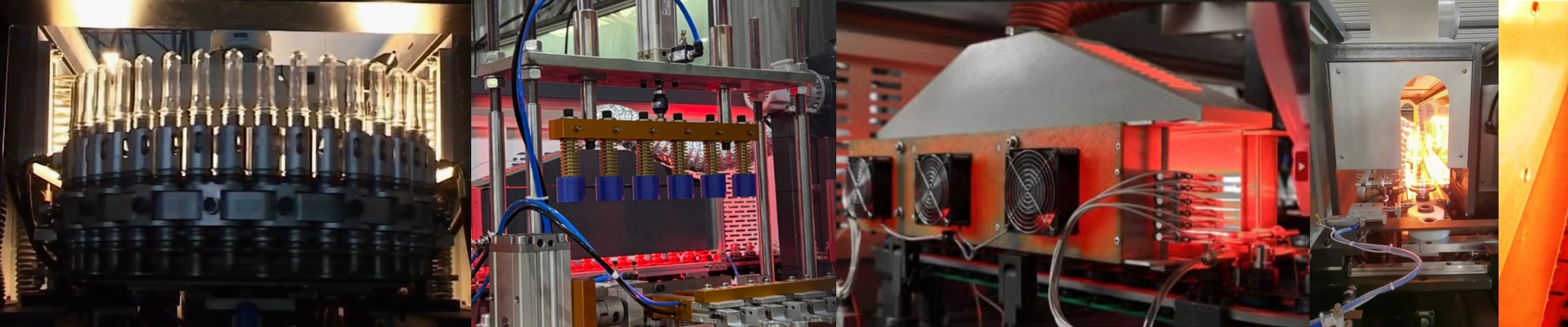
Standard IP tests are just a snapshot. They check if the seal works right now. But bathrooms are brutal. One minute the heater is ice cold, the next it’s hitting 200°C, and then it cools down again. That constant stretching and shrinking makes gaskets warp and plastics fatigue. That’s why we don’t just trust the rating. We put every batch through “damp-heat aging.” We basically torture the units in a chamber of sustained heat and humidity to force them to fail in our lab instead of in your customer’s home. We’re looking for the tiny gaps, the creeping oxidation on the contacts, or a seal that gives up the ghost after 500 hours. If it fails there, it’s garbage. Because if it fails in the lab, it’ll definitely fail in a real bathroom within a year.
Keeping Things Safe
Water and high-wattage lamps are a nasty combination. If moisture sneaks in, you’re looking at short circuits or lamps that burn out way too early. We spend most of our time obsessing over the cable entry points and the lamp socket seals. Those are the usual suspects—the places where things typically go wrong. If those seals can survive our wet-heat chamber, we know the unit is actually safe to install.
The Trade-off
Now, there is a catch. True waterproofing takes up space. To get that IP55 reliability, we have to use thicker gaskets and reinforced housings. It makes the heater a bit bulkier. You won’t get that ultra-slim, razor-thin profile you see with non-waterproof models. But honestly? I’d rather have a slightly thicker heater that actually works than a slim one that shorts out the moment the shower gets steamy. It’s a trade-off we’re happy to make for the sake of safety and a product that actually lasts.