
Why we don’t mess around with quartz in the bathroom
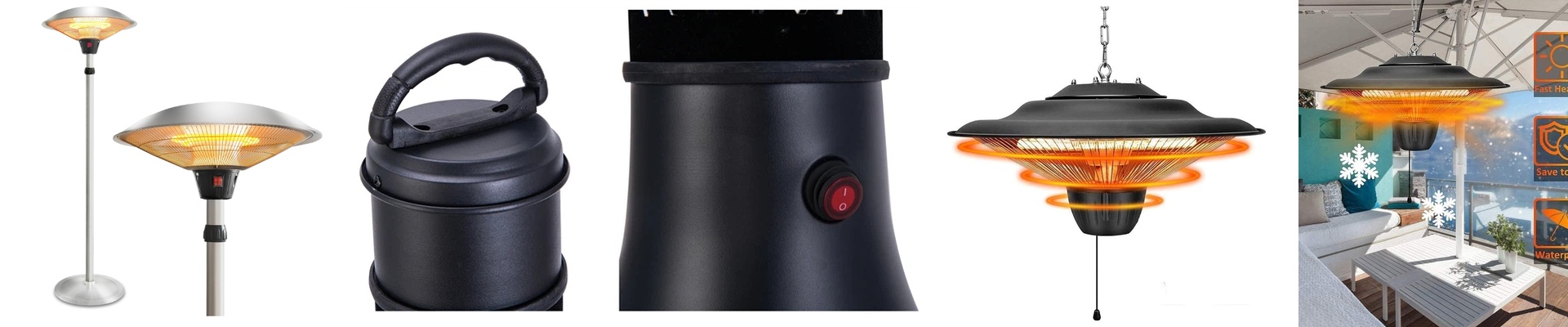
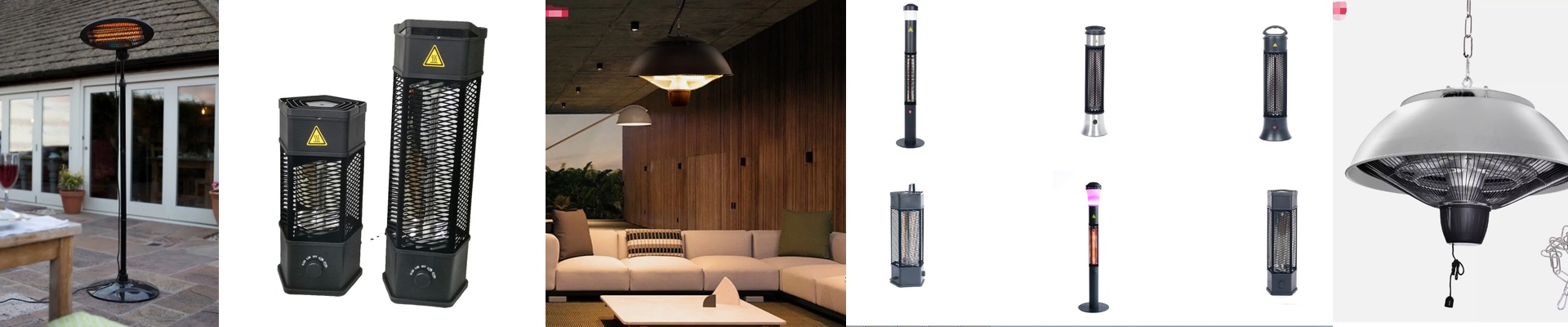
Bathrooms are a nightmare for electronics. You’ve got thick steam, wild temperature swings, and water splashing everywhere. When you put an infrared heating lamp behind a mirror or up in the ceiling, that glass tube is under a lot of pressure. If a single cold drop of water hits a scorching hot surface, standard quartz can just… give up. That’s why we use explosion-proof quartz. It keeps a potential disaster from becoming a real safety problem. The “Thermal Shock” Problem Quartz handles heat well, but it hates being cooled down too fast. We call this thermal shock. Think about a hot shower. Steam turns back into water on the ceiling. If a drop of that water hits a filament tube running at 500°C, the glass can crack or even shatter. We use explosion-proof quartz because it’s built to handle that sudden snap. Even if the filament dies or a tiny crack forms, the material is designed to hold it together. You won’t have shards flying across your bathroom floor. Fast Heat, High Stakes These lamps use short-wave infrared. Instead of heating up the air in the room, the energy shoots straight to you or the mirror. It’s fast. Like, instant fast. But that speed comes with a catch: the tube gets hot enough to burn you in a heartbeat. That’s why the structural integrity of the glass is so important. It has to survive being flipped on and off every single day without weakening. A Few Tips for Installation You’re going to love the heat, but you have to get the wiring right. These lamps pull a lot of power. If your wires are too thin, you’ll lose voltage and the lamp won’t get nearly as hot as it should. And please, make sure your fixture drains properly. The quartz might be explosion-proof, but your electrical terminals aren’t waterproof. If water pools around the wires, you’ll get a short circuit. Keep those seals tight and you’re good to go.