

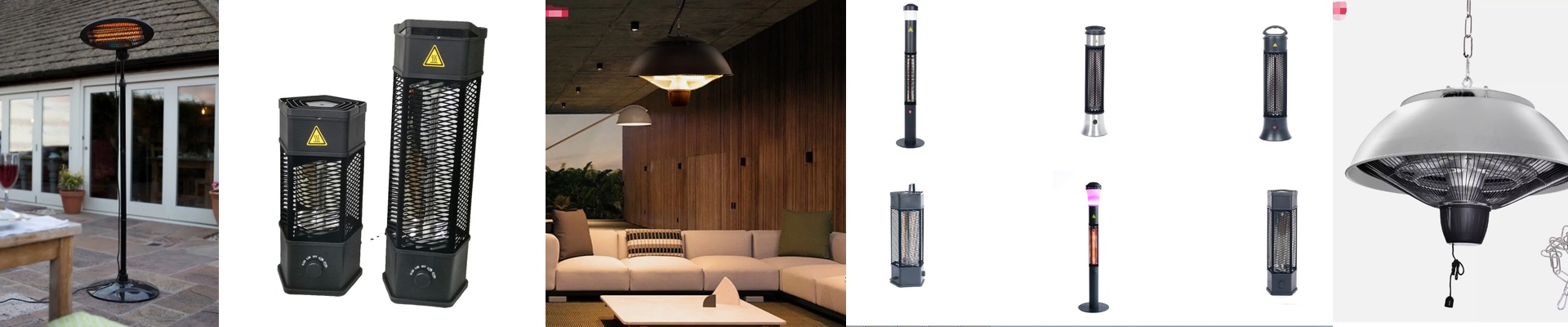


Putting a 1500W infrared heater in your gazebo sounds simple, but you’re basically inviting electronics to live outdoors. Between the morning dew, the humidity, and that random spray of rain that hits even when you’re under a roof, it’s a tough spot for a heater. If you don’t seal things right, you’re looking at short circuits or corroded contacts. Basically, your heater just burns out way sooner than it should. Dealing with the damp We’ve built these units with specific barriers to keep fog and splashes away from the guts of the machine. We use high-grade gaskets and sealed housing to keep the moisture out. Now, just to be clear: this isn’t a submarine. You can’t dunk it in a pool. But it is designed to stop stray droplets from creeping into the electrical terminals. That’s a big deal because if water hits a scorching hot infrared tube, the glass can actually crack from the shock. Our sealing stops that from happening. Heat and power 1500W is plenty of juice to keep a cozy outdoor spot warm, but it gets seriously hot right where it’s mounted. We use heat-resistant materials for the chassis so your ceiling doesn’t warp while you’re trying to stay warm. One quick tip: make sure your wiring can actually handle the power draw. If your cables are too long or too thin, you’ll lose power before it even reaches the heater. Keeping it running The anti-fog design is a nice touch because it keeps the emitter clear. This means the heat goes straight to you instead of getting scattered by condensation. Plus, since the internals aren’t fighting off rust and oxidation, the whole thing just lasts longer. Just a heads-up—don’t go crazy with the power washer. High-pressure water will blow right past the seals. If you want the best results, mount the heater with a slight tilt. That way, any water that lands on the surface just slides right off.