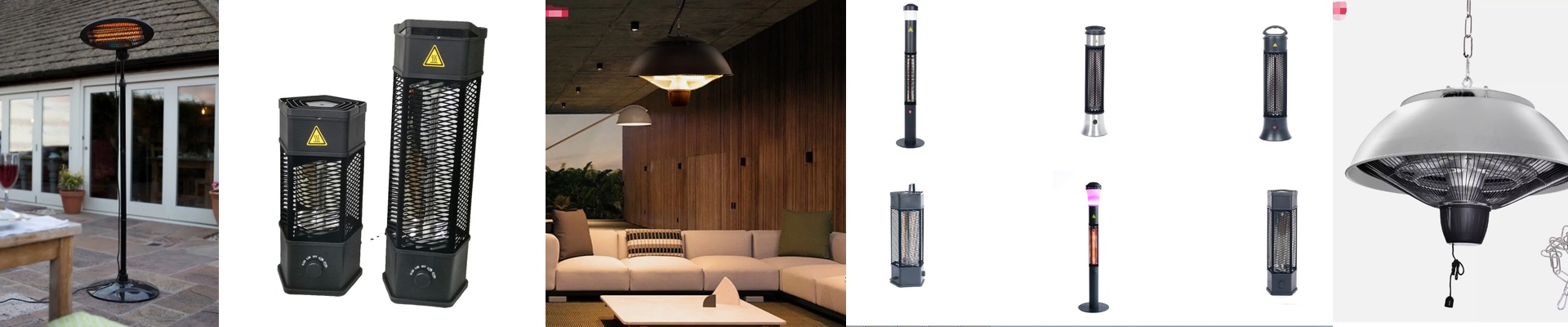



Why Your Bathroom heater Keeps Popping (and How to Fix It)
Ever noticed how standard infrared lamps seem to give up the ghost the second they hit a bathroom or a garden patio? It’s not a coincidence. Here’s what’s actually happening: you’ve got a lamp glowing red hot, and then a stray drop of steam or water hits the glass. That sudden temperature crash creates a massive shock to the material. Most glass just can’t handle it. It cracks. Then it shatters. That’s why we use explosion-proof quartz. It sounds intense, but it basically just means the glass is built to take a beating. We use a specific blend of quartz that doesn’t freak out when the temperature swings wildly. It stays stable, which keeps the vacuum seal tight. And that’s huge, because if that seal leaks for even a second, the tungsten filament inside burns out instantly. Game over.
Keeping the Water Out
Now, you’ll see “IP65” thrown around a lot. In plain English, that just means the housing is built to keep out dust and those annoying little water jets you get in a shower. But the housing is only half the battle. We pair these quartz tubes with heavy-duty gaskets to make sure moisture doesn’t sneak its way into the electrical terminals. One quick tip: check your wiring. These high-wattage lamps pull a lot of power. If you’re using thin, cheap wires, the insulation can actually melt. Not a great look for your home’s electrical safety.
The Trade-off
These lamps are fantastic because they give you that immediate, cozy warmth the moment you flip the switch. No waiting around for a room to warm up. But there is a catch. Because they pack so much heat into a small space, the surface getsdangerously hot. If you touch it, you’re going to get burned. Make sure you install a protective grill or mount the unit high enough that nobody can accidentally lean against it. We designed these to be easy, drop-in replacements for those heaters that keep failing on you. Just double-check your voltage and wattage before you start wiring. And try to keep your power supply steady—spikes in power are the fastest way to kill a filament.