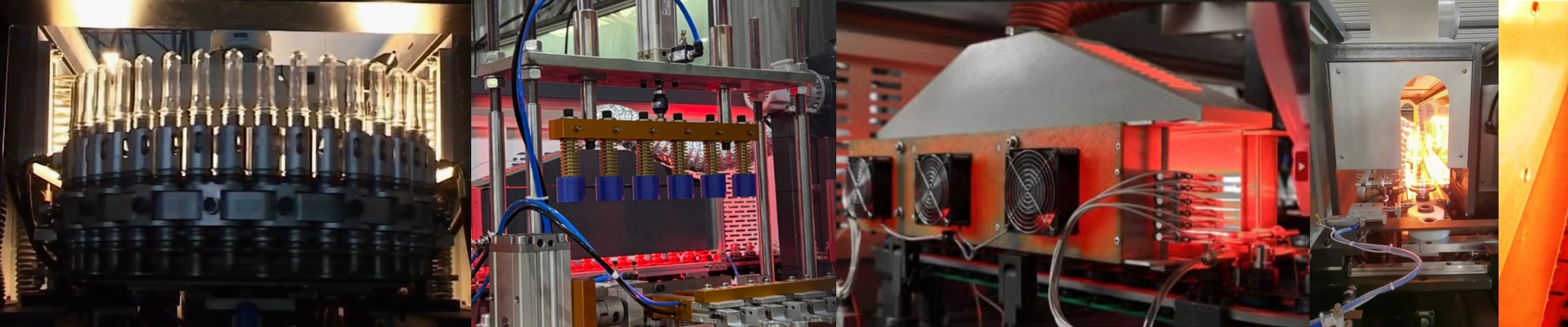
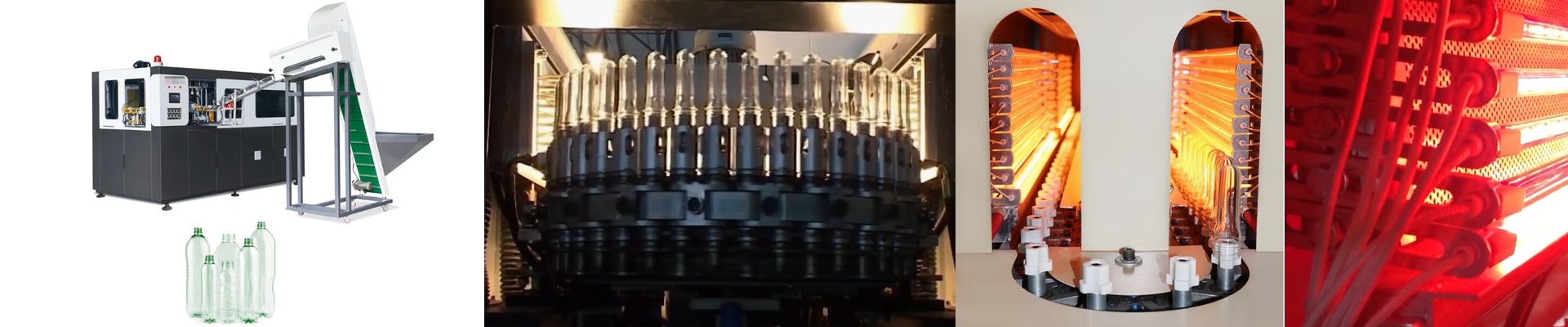

On a line where the SIPA SFR 20 rotary blower sets the pace, preform heating isn’t a background step—it’s the first domino. When the heating tunnel starts to drift, you spot it fast: haze, uneven wall distribution, and a sudden jump in rejections. Downtime piles up quickly, because every second off-spec is a second lost to rework and scrap. What actually matters, technically The SIPA SFR 20 rotary blower heater tube is built around short-wave infrared, so it responds fast and holds tight control across the heating tunnel. The quartz construction takes rapid thermal cycling without softening, and the halogen lamp core gives stable output that tracks preform temperature more predictably than open-coil alternatives. We spec the OEM-standard R7s connector and the exact tube dimensions so the lamp sits squarely in the reflector path. Power and voltage are chosen to match the SFR 20’s heater circuit—no mismatched current draw that trips things and throws off the controls. Why this works on the SFR 20 Drop this heater tube in, and you get quicker recovery after startup, a faster return to setpoint after a jam, and more uniform preform temperature before stretch blow molding. That means fewer pinholes, better top-load strength, and less cavity-to-cavity variability. Because the output holds steady over time, you can run closer to the thermal limit without chasing drift—so throughput stays up and you spend less time tweaking during changeovers. Energy use drops, too, because the system spends less time overshooting and correcting. The practical stuff you can’t skip Infrared heaters run hot, and the SFR 20 tunnel is no exception. The lamp surface and reflector zones stay hot even after the heater is switched off—lockout/tagout and heat-rated gloves are mandatory. Match voltage and connector type exactly; a mismatch can take out the lamp and the control board. Handle the quartz tube by the ends only, keep it free of oil and fingerprints, and verify alignment in the reflector so you keep the intended heating profile.