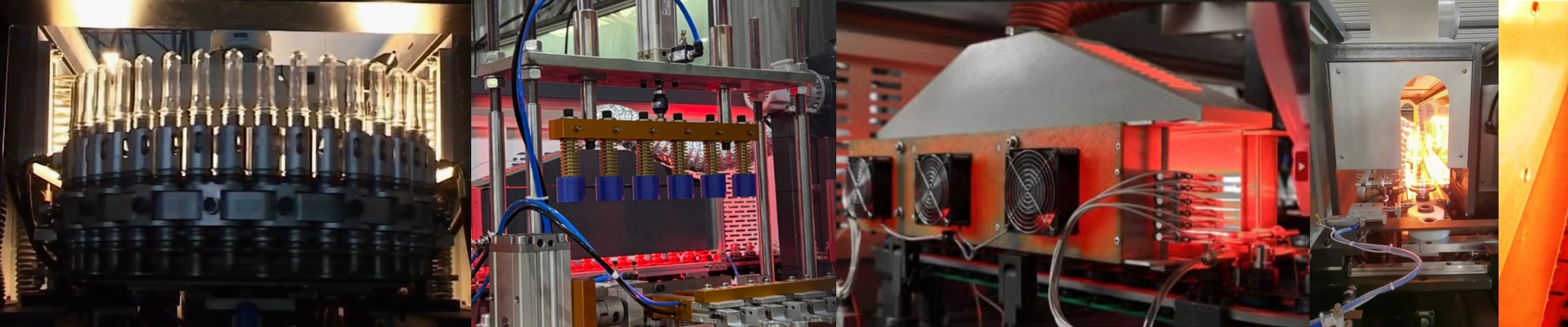


You know the feeling. Your rotary oven’s bake starts drifting—top crust lagging, bottom color uneven. You feel it before you even see it. On a busy line, that inconsistency drags service down, wastes dough, and turns what should be a steady profit into a daily scramble. Often, the culprit is right there: the heating element. The fix is a replacement infrared heater built for the punishing, high-cycle life of a rotary oven.
What matters under the hood
We spec these as medium-wave infrared heaters. Why? Because they couple heat into dough fast without scorching the surface. In practice, that means faster recovery after loading and a more repeatable bake curve. Specs are grounded in real-world kitchens: 240V or 380V, standard mounting centers to match common oven chambers, and terminals sized for the wiring you already have. The housing uses high-temperature ceramics and a protected reflector path to focus energy on the product—not the oven frame.
Why it fits the rotary environment
Rotary ovens move product through a baking chamber that demands heat, and plenty of it, right when you need it. Infrared delivers that heat directly, so you spend less time waiting for the oven to catch up after each tray. You get faster heat-up from a cold start, tighter temperature stability during peak service, and more consistent crust development across the full load. Fewer temperature swings mean fewer mid-shift tweaks, so output stays steady and your staff can focus on food, not troubleshooting.
The details that keep you out of trouble
Installation is straightforward, but match wattage and dimensions to your oven model and thermostat tolerance. If your rotary oven runs in a very dry environment, confirm the terminal sealing matches the humidity profile. And remember: infrared heats what it can see. Keep the element clean and aligned—otherwise, you’ll see shadowing on the product.