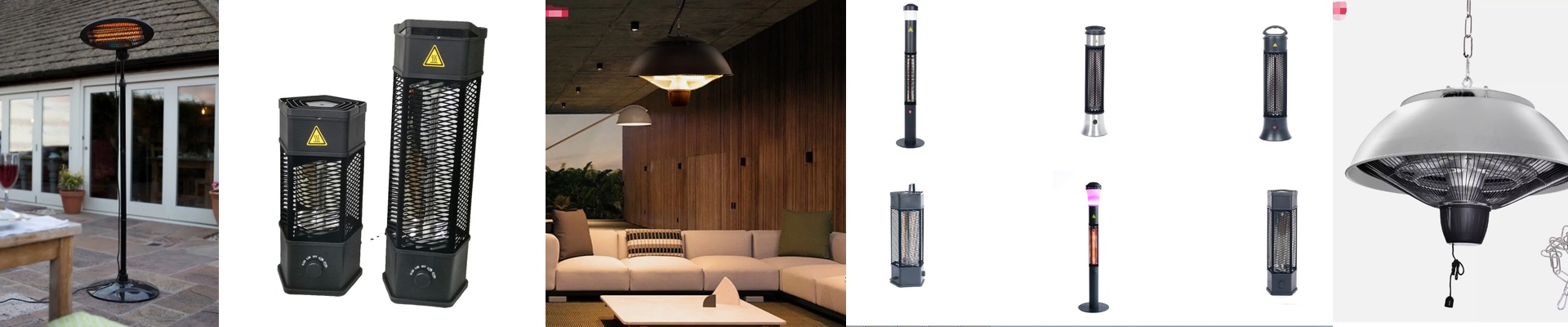


Walk into a municipal office on a winter morning and you feel it right away—the strain of heating large spaces that get used in bursts. Forced-air systems dump heat into empty rooms, and that waste hits the budget where it hurts: the annual heating bill.
What matters, technically
Infrared heaters warm people and surfaces directly, not the air. In practice, that means heat shows up where it’s needed, fast. We build these units around medium-wave infrared tubes—even warmth without harsh glare—paired with a straightforward thermostat that keeps comfort steady. Most installations run on standard 230 V circuits, so they slot into existing electrical work without drama. The carbon fiber or quartz elements hold their output over thousands of hours, and because the heat is directional, the system doesn’t chase drafts. It just delivers the warmth where you aim it.
Why it works in public buildings
Public buildings have occupancy that shifts constantly—lobbies, corridors, community rooms that fill and empty quickly. With infrared heating, you can keep occupied zones comfortable without heating the whole volume. That targeted approach cuts energy use, especially during shoulder seasons when the building still feels cold. Maintenance is simpler, too. Fewer moving parts than ducted systems means fewer service calls and less downtime. Over a season, the savings stack up, turning a predictable cost into something you can actually manage.
The things you need to plan for
Infrared heating works best when the heat path is clear, so placement matters. It shines in areas with high ceilings and drafts, but it may not be the right call where you need uniform air temperature for sensitive equipment. Plan for line-of-sight coverage and mount the heaters at the right height for the activity zone. On the plus side, installation is far simpler than retrofitting ductwork, and you can zone the units for precise control.