


Try working in a garage when the temperature drops, and it’s no longer a workspace. It’s a walk-in fridge with a workbench. Drafts sneak under the door and slip through cracks. Forced-air heaters push out warmth that shoots straight up and disappears. Fingers go numb, tools get clumsy, and every task drags.
What actually matters, technically
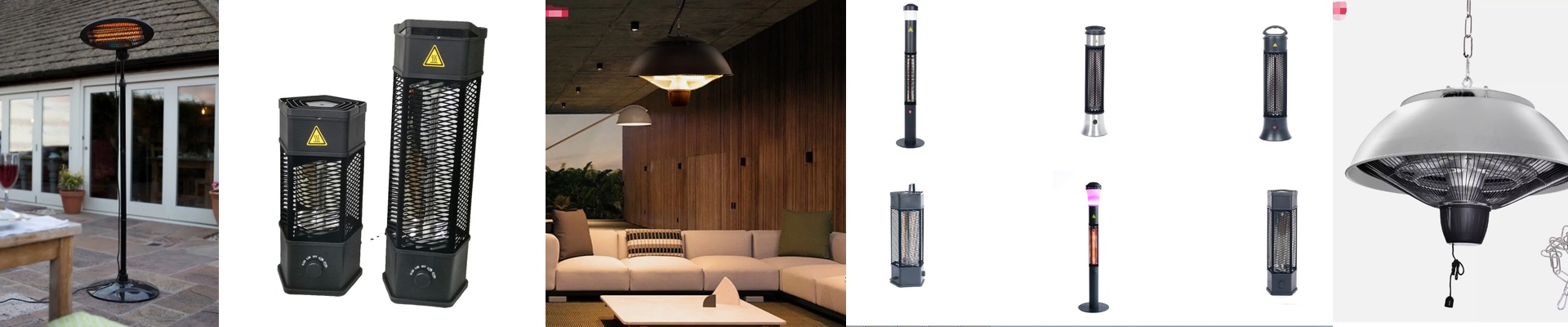
Infrared heaters don’t waste energy heating air. They warm people and objects directly. In a garage, that means the heat lands where you feel it most: on your hands, on the work surface, and on the jacket you’re trying to dry. Many units use a quartz tube or a carbon fiber element, so you get radiant warmth the moment you flip the switch—full power within seconds. Garage-friendly models usually run on standard 120V or 240V circuits, with outputs sized for a focused work zone—typically 1500W to 3000W. You get a steady beam of heat without the noise of a fan, and it stays aimed where you need it.
Why this approach fits a garage
A garage is drafty by design, so heating the whole volume is a losing battle. Infrared heats your body and your immediate work area, which keeps your hands usable when you’re turning wrenches or threading fasteners. That steady warmth in your fingers helps you work clean and cuts down on mistakes and rework. It also helps with drying—jackets, coveralls, and shop rags dry faster when radiant heat reaches the fabric, so you’re not fighting that damp chill that hangs around in corners. Because the heat is directional, you’re not paying to warm empty aisles and unused space.
What to keep in mind
Mount the heater so the beam covers your torso and hands, not just your feet, and keep it high enough to avoid accidental contact. Check the IP rating and pick a unit built for workshop conditions; a higher IP rating means better protection against dust and spray. If you want steady comfort instead of running at max power all the time, pair the heater with a thermostat. One practical point: infrared warms surfaces directly, but walls and floors can still feel cooler. In very large bays, plan for multiple units or a supplemental air-movement setup to even out comfort.