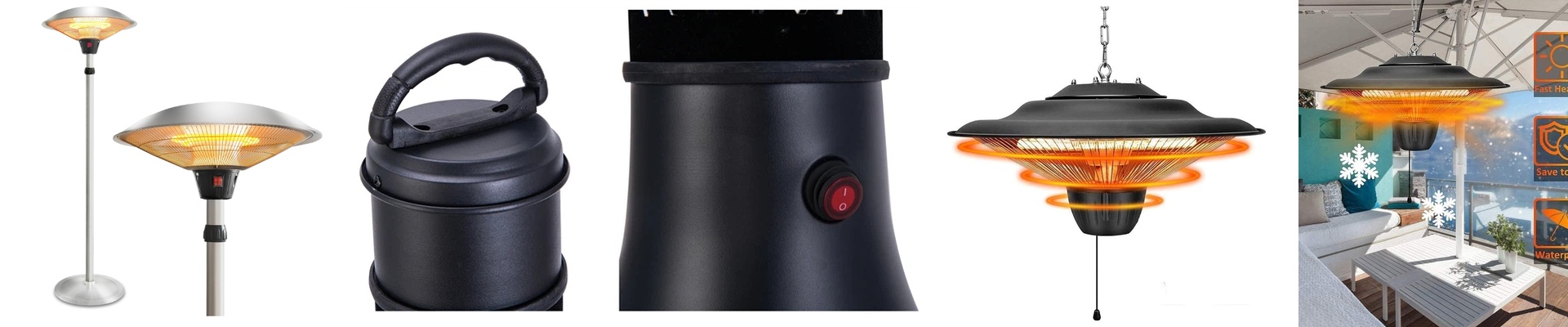

Stepping into a caravan on a cold morning, you know the drill: wait for the air to warm, feel the chill cling to every surface, and watch the battery gauge dip. That’s exactly why we build caravan electric heaters around radiant infrared heat. It puts comfort where you need it, when you need it, without wasting energy heating empty air.
What matters under the hood
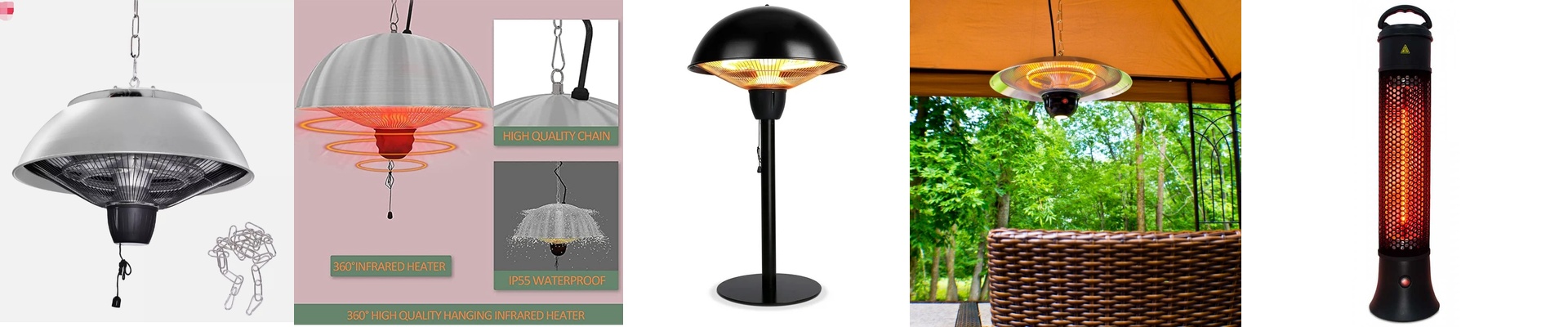
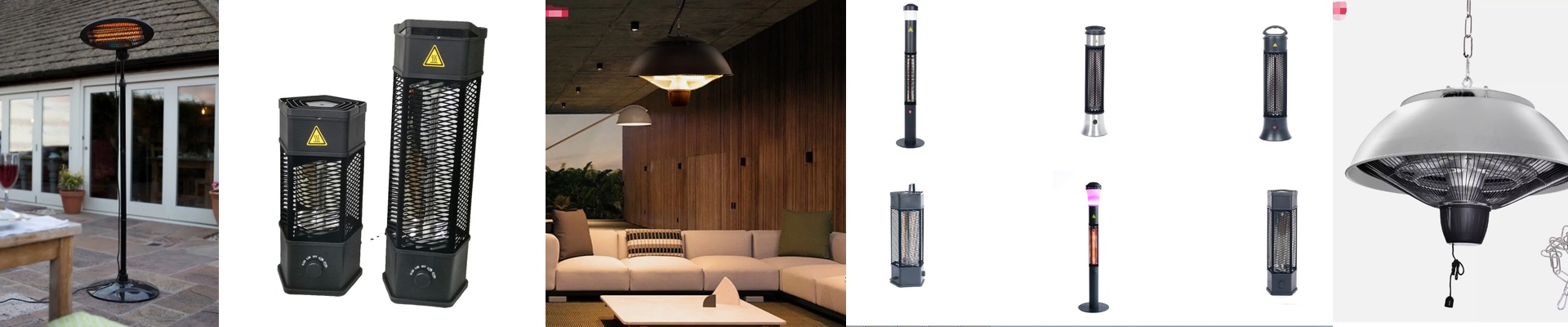
We use a carbon fiber or quartz infrared element to turn electricity into focused warmth. The payoff is quick—often noticeable within seconds—and coverage that reaches across the floor and seating area without hot and cold spots. Many models run on 12V or 24V DC, pulling 300–600W, so they can be powered off the caravan’s house battery without tripping over the system limits. Add a built-in thermostat and tip-over protection, and you get steady heat with a safety net. If you run into wet conditions, look for an IP rating that confirms protection against splashes and condensation.
Why this approach fits a caravan
Space is tight, and insulation is always a compromise. Convection heaters send warm air up and leave the floor cold; infrared warms people and objects directly, so you feel cozy even when the air itself is still cool. That translates to quicker warm-ups, less draw on the battery, and fewer temperature swings between the stove, the seats, and the bed. It also stops cold surfaces from radiating chill back at you—something you really notice when you’re eating, working, or heading in for the night.
The practical details you can’t skip
Plan the wiring from day one. A 12V heater at 600W pulls about 50A, so you need properly sized wiring, a correctly matched fuse, and enough battery capacity for the runtime you want. **Position the unit so the beam spreads across the main living zone, and keep it clear of fabrics and anything flammable.**For the best overall comfort, pair the infrared heater with an interior fan or a small convection boost to mix the air—without losing that direct radiant warmth.