


When that front-of-house warming cabinet starts to fade, you know it immediately. Ticket times slip during the rush, and the food just loses its grip. A tired infrared heater turns a high-turnover station into a bottleneck—cold spots, over-drying, and holding temps that drift. That costs you margin, and it costs you trust.
What matters under the hood
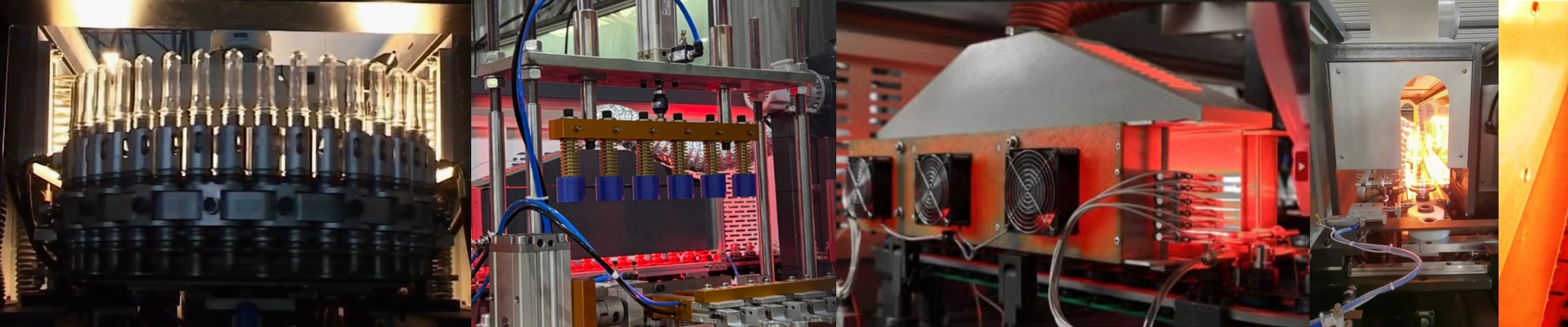
We built this replacement infrared heater for the kind of warming displays that run all day, every day. It uses a high-output quartz tube, 240V/4000W, so it comes up fast. The heat is focused radiant energy—hitting the pan and the product surface directly, not just the air around it. Response is immediate. Full output in seconds, so the cabinet recovers quickly after you open the door and reload. The element sits in a compact, shielded assembly sized to fit standard footprints, with solid terminals and a protected lead route that reduces stress at the connection. Count on steady output and long life when you’re running continuous duty.
Why this approach fits the line
During service, warming has to be stable—no overshoot, no surprises. This infrared heater holds product at target without scorching, while still giving you the surface heat that preserves crust, glaze, and texture. For pizza and bakery items, that means slices and pastries stay appealing longer, with less staling. On grill-forward lines, it holds proteins at safe temps without drying the edges. Energy use comes down because the heat is aimed at the product, not the whole cabinet volume. And that fast recovery keeps service moving when the rush hits.
The practical details
Installation is straightforward, but you have to match the mounting, clearance, and terminal specs to your cabinet. Radiant heat needs proper spacing—get that wrong and you’ll create hot spots. Make sure the thermostat or control profile can handle the wattage and the way the element cycles. Handle the quartz with clean, dry hands during replacement, then run a temperature calibration check after startup. Keep up with routine cleaning and inspection so the element and reflector stay clear of grease and debris.