
Why We Built This
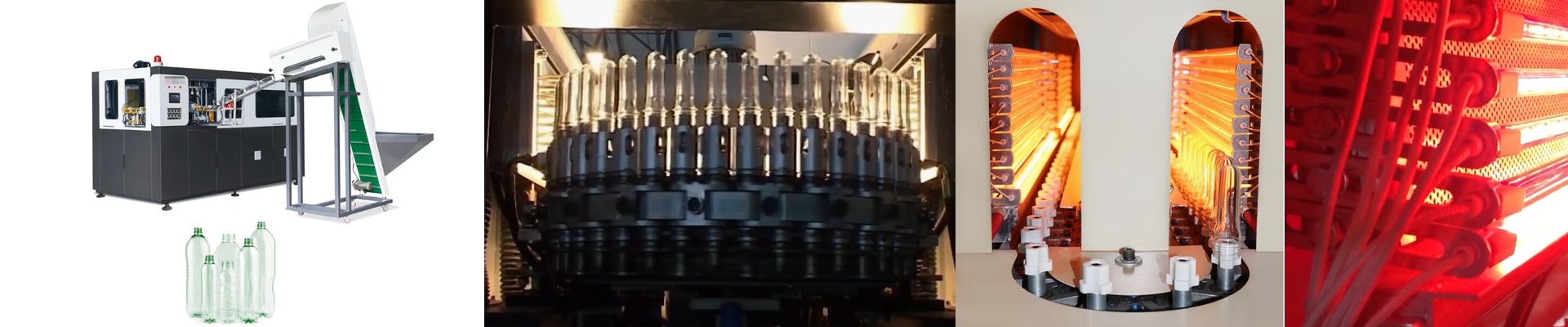
We built this stainless steel ceramic heater for one reason and one reason only: to speed things up without losing control. On a pizza line, you need heat that hits the mark instantly and then stays steady, every single time a pie rolls by. This infrared heater does exactly that, turning what used to be guesswork into a process you can count on.
The Nitty-Gritty
Speed is the name of the game. We’re talking about shrinking a heating window from five minutes down to a minute and a half. To make that happen, you need serious power packed into a small space, and you have to manage the heat with precision. So the design focuses on dumping energy into the product fast. That way, your line can keep moving without waiting around for the oven to warm up. We match the voltage and wattage to the actual work the oven does and the space it has to work in. Running on higher voltage keeps the electrical draw sensible while still delivering the power needed. The length of the heater is tuned to fit the belt or chamber, so the heat covers the whole pizza evenly. No more hot spots. No more cold spots. Just a consistent bake, all the way across.
What It’s Made Of
Stainless steel isn’t just tough. It gives you a stable platform that doesn’t warp when it’s hit with repeated heat shocks. Paired with the ceramic core, you get consistent resistance and the ability to ramp up fast—without creating hot zones. The infrared heat is focused on the exact wavelengths the dough and toppings actually absorb. So the energy goes straight into the pizza, not into heating the air around it. And the coating? It shields the heating element from grease, crumbs, and the daily grind of cleaning. That means it stays reliable and keeps delivering steady output over time. When it comes to hooking it up, we kept it practical. It uses a standardized connector so you can drop it in as a replacement without a major production stoppage.
What It Means for Your Line
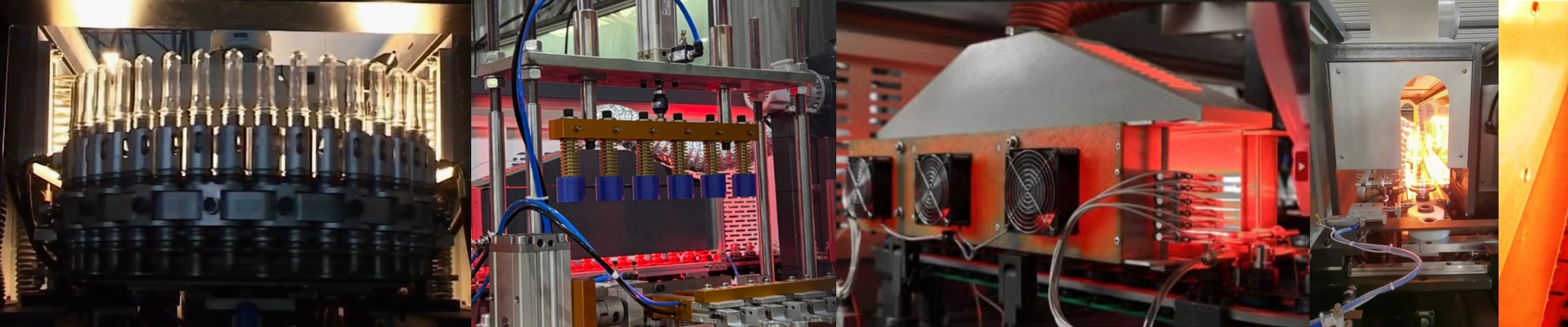
In pizza production, the heating stage is often the holdup. This heater clears that bottleneck by blasting intense, directional heat with almost no warm-up delay. The result is a line that moves with a tighter, more reliable rhythm. We built it to take a beating in a busy commercial kitchen, but let’s be real—there’s a trade-off. That kind of power density means the surrounding chassis and controls need proper cooling. Plan your airflow and keep the electronics separated from the heat up front, or you’ll end up with components running too hot. For the folks running the line, the payoff is straightforward: faster cycles, a consistent bake every time, and fewer stoppages.