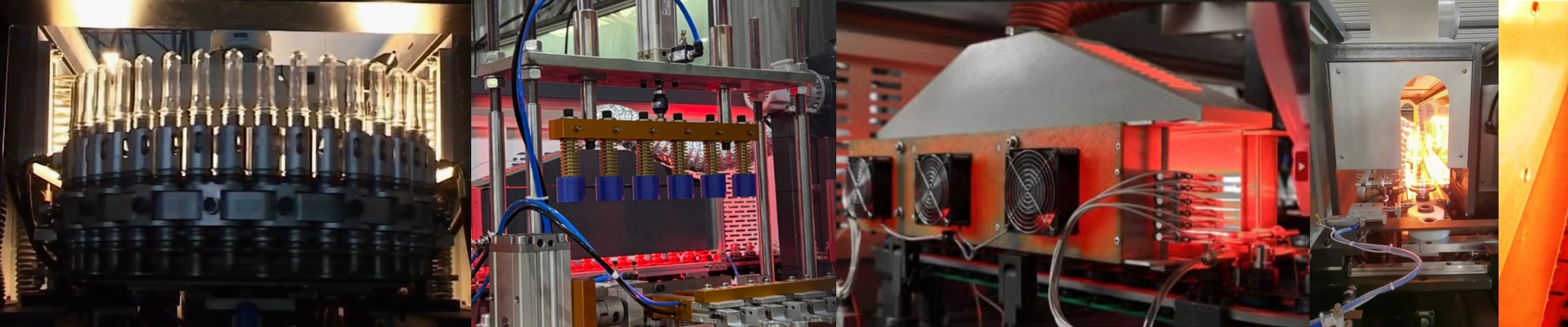

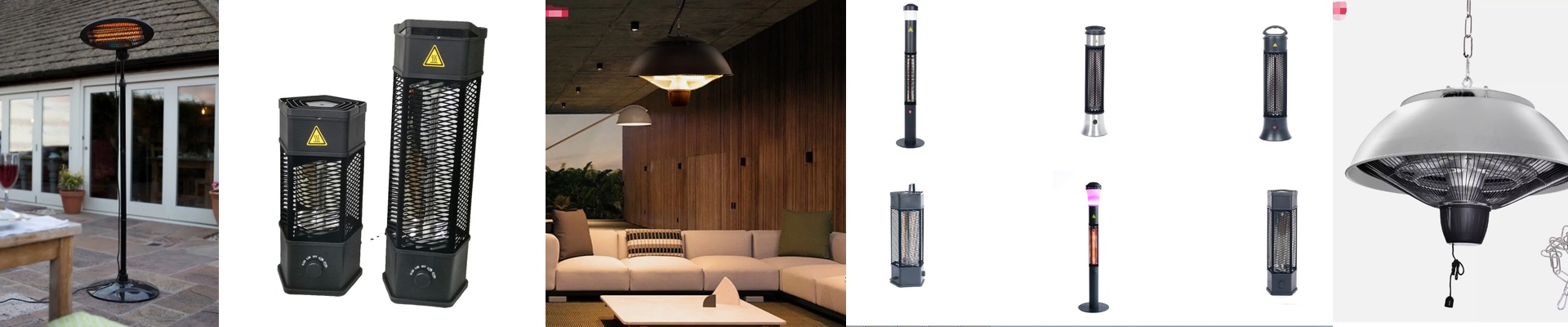


Stepping onto a cold bathroom floor in winter isn’t just uncomfortable—it’s a shock that sticks with you. Traditional heaters fight to warm the air, never mind the tiles and mirror, so you end up shivering. A heavy-duty electric infrared heater, built for bathrooms and CE-certified, cuts through that feeling the instant it’s on. Here’s what’s under the hood. We pair a short-wave infrared quartz lamp with a high-output carbon fiber heating element. That combo delivers radiant heat straight onto surfaces and people, not into the air. You get heat the moment it’s on, with zero fan noise and none of that dry, forced-air feel. These units are rated for hardy duty, run at dependable power, and are built to handle humid conditions. The CE mark means the construction meets strict European safety standards for electrical and thermal protection—so the guts and the housing are solid. Bathrooms are small, wet, and unforgiving. Infrared warmth hits the floor, walls, and your skin, so the room feels usable the second the lamp fires up. No waiting. No cold surfaces stealing heat from your body. Mornings move faster, drafts drop off, and the overall feel is steadier and more even. Because the heat targets what matters, energy use stays focused, and the lamp stays cool to the touch, which cuts down on burn risk. For households, that’s comfort without compromise. A few practical notes. Infrared heaters shine at spot warmth, but placement matters. Put it where it covers the primary zone—above the sink or near the shower entry. Expect direct line-of-sight heating; shaded corners will feel cooler. Installation needs a dedicated, grounded outlet, and it should be done by a qualified electrician to meet local codes. The housing resists moisture, but the unit isn’t submersible. And like any radiant heater, it will get warm during operation. Keep clearances clear, and you’ll get that immediate, comforting heat.