
Getting the Heat Right in Rotating Ovens
If you’ve ever pulled a batch of bread out of an industrial oven only to find some loaves are perfect and others have those annoying cold spots, you know the frustration. Getting a consistent crust and a soft, airy center isn’t easy. That’s why we use rapid-heating ceramic infrared heaters. They basically fill the gaps where standard air circulation and conduction just can’t keep up.
How the Heat Actually Works
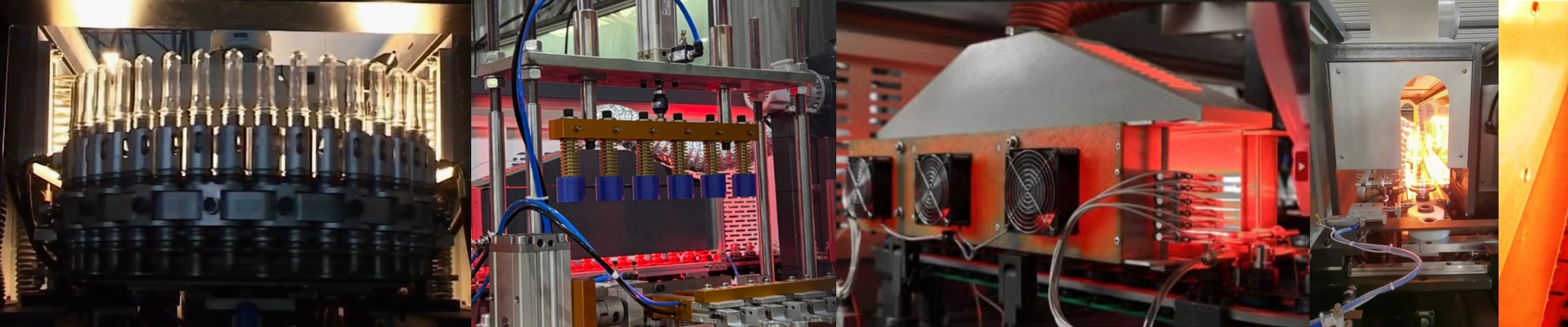
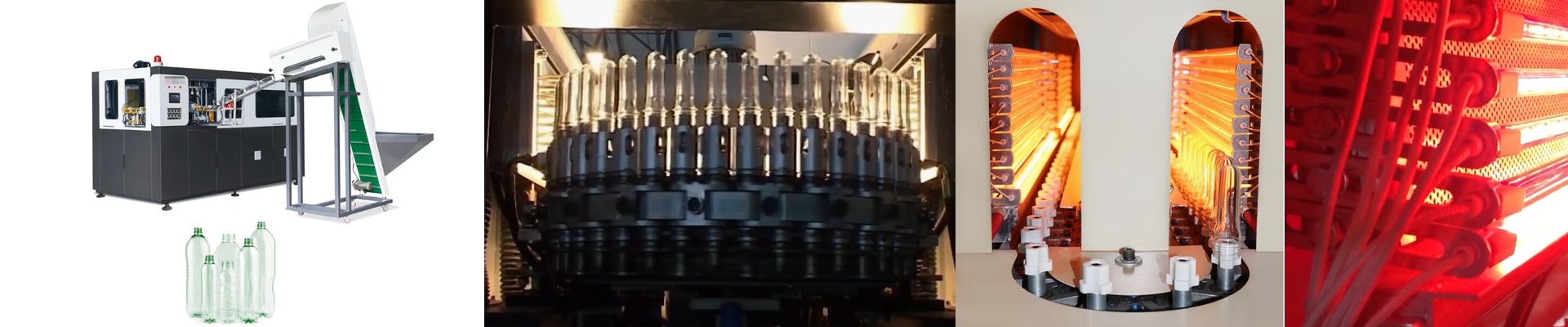
We set these ceramic heaters up in a circle around the rotating drum. Here is the secret: unlike old-school elements that just heat up the air, infrared emitters send energy straight to the dough. It’s direct. By matching the oven’s spin speed with the wattage of the heaters, the bread moves through the heat zone at a steady pace. No more “dead zones” where the bread just sits there not cooking. It just works.
The Hardware Side of Things
We use high-density alumina ceramics to hold the coils. Why? Because they can get screaming hot almost instantly without cracking. This gives you a massive burst of heat right when the bread needs it most—during that “oven spring” phase. It means the oven ramps up fast, and you get your bread out the door much quicker.
The Tricky Parts
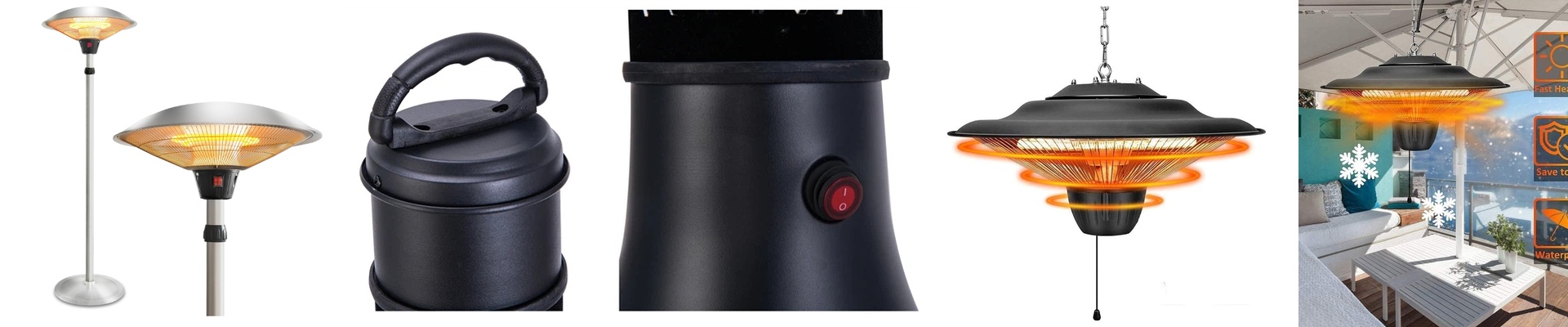
Wiring this into a rotating system isn’t a walk in the park. You need heavy-duty slip rings or a very specific fixed-perimeter mount, otherwise, your cables will just snap from the constant movement. And a word of caution: these heaters are intense. You’ve got to be obsessive about your insulation. If the chassis isn’t shielded properly, the outside of the oven will get hot enough to burn someone, and you’ll be throwing money away on wasted energy. There is one other quirk. Infrared heat cares about color. Darker doughs soak up the heat way faster than pale ones. You’ll spend some time tweaking your PID controllers to make sure you don’t torch the outside of the loaf while the middle is still raw. It takes a bit of patience, but once you nail it, the results are worth it.