


Why a Single Degree Matters in Your Oven
In a professional bakery, one degree isn’t just a number. It’s the difference between a perfect, golden-brown crust and something that looks… off. If your temperature slips by even 1°C, you’re messing with the Maillard reaction. Suddenly, your crust color is wrong and the crumb texture feels weird. To stop that from happening, we stopped relying on those old-school resistive coils and switched to far-infrared (FIR) heating elements.
How FIR actually works
Most convection ovens just heat up the air and hope that heat eventually reaches the bread. It’s slow. It’s clunky. FIR is different. It uses electromagnetic radiation that sinks right into the dough. We specifically tune these elements to hit the water and fats in the bread. The result? There’s almost no lag. When the thermostat tells the oven to heat up, the loaf feels it immediately.
The guts of the machine
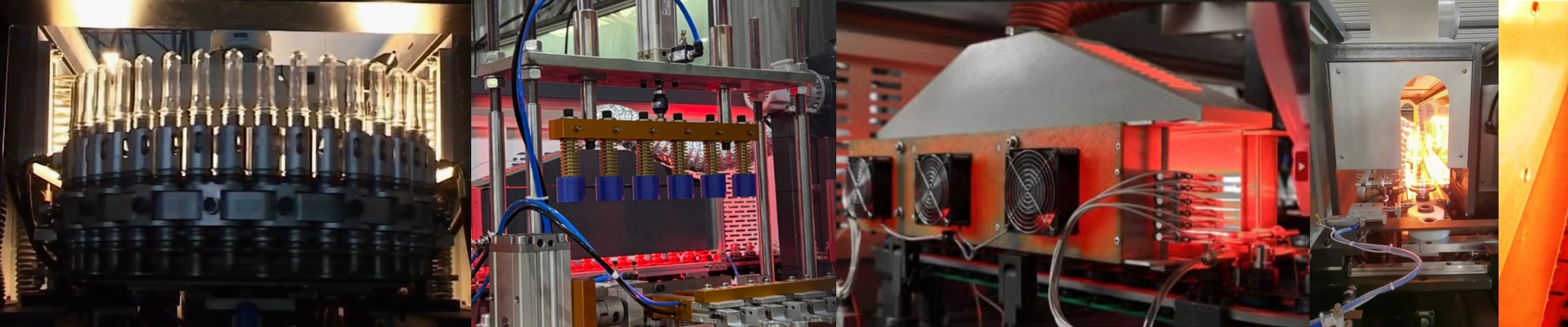
We use high-purity quartz tubes for these elements because they can handle scorching heat without warping. By tweaking the tungsten filament density and the tube size, we can dial in exactly how much power we’re pushing per centimeter. If you want the oven to bounce back to the right temperature the second you close the door, you want a higher watt density. It makes the oven feel snappy. But here’s the catch: those high-density tubes are a bit more fragile. If your oven vibrates too much or the mounts are loose, they can crack. It’s a bit of a balancing act.
Getting the control right
You’ve probably used cheap ovens that “overshoot”—they get too hot, then too cold, then too hot again. To kill that cycle, you need to pair FIR elements with PID controllers and Solid State Relays (SSRs). We build our elements to handle that kind of rapid-fire cycling without burning out. A few pro tips on the setup: use high-temperature leads for your wiring, or you’ll be dealing with melted insulation. And keep an eye on your airflow. If the air is moving too fast, it strips away the “boundary layer” around the bread. That kills the FIR efficiency, which forces the elements to run hotter just to keep up. That’s a fast track to killing your filaments.