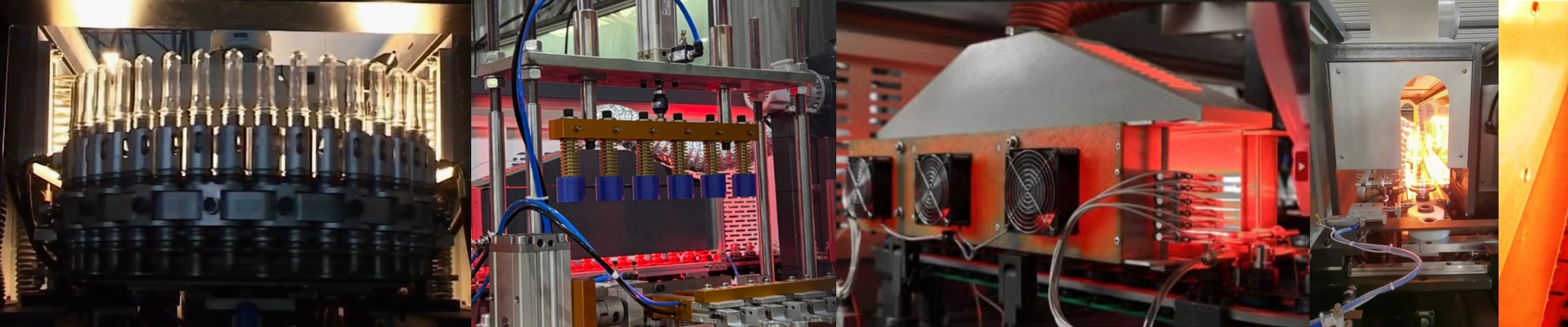


Why Top Bakers Love Infrared in Their Convection Ovens
You know that moment when you’re aiming for a crust that crackles just right, but the inside stays soft and airy? Top bakers chase that balance all the time. Convection ovens move heat well, but they can dry the surface too fast. Adding infrared quartz tubes changes the game because they deliver heat right where you need it—on the surface. We build these tubes for convection ovens that need both strong airflow and intense radiant heat. The point is control: fast, targeted heat without overcooking the center.
Power, Voltage, and Size—Without the Jargon
Our quartz tubes pack a lot of heat into a small space. A common setup is 2500W at 400V, and that means one thing: the surface heats up quickly in a focused zone. The tube is 300mm long, which keeps the radiant heat tight. So you’re warming the product surface, not the whole oven cavity. But here’s the catch. That kind of power density needs serious cooling and airflow support. If your oven’s system isn’t set up for it, you can overshoot temperatures and end up with uneven baking.
What’s Inside—And Why It Stays Reliable
The tube is built with a halogen-filled environment inside a quartz envelope. The halogen helps keep the filament stable when it runs hot, so the output stays consistent over time and you don’t get that blackening issue. Quartz handles sudden temperature shifts well, and it stays clear for infrared, so energy transfers straight to the food—no waste. And we use an R7s connector. It’s straightforward to wire, holds alignment, and gives you a secure mechanical and electrical fit. In a busy bakery, that translates to fewer headaches—no loose contacts, no intermittent heat.
What This Means for Your Baking
When infrared and convection work together, you get a crisp crust fast, while the convection evens out the crumb. The payoff? Faster bake cycles with less moisture loss. That means higher throughput, and more consistency from tray to tray. This isn’t a magic fix for every oven. It shines when your oven’s airflow, zone control, and cooling are matched to the tube’s output. When they are, surface browning becomes predictable, and your product comes out the same—every time.