
Fixing the Temperature Rollercoaster in Convection Ovens
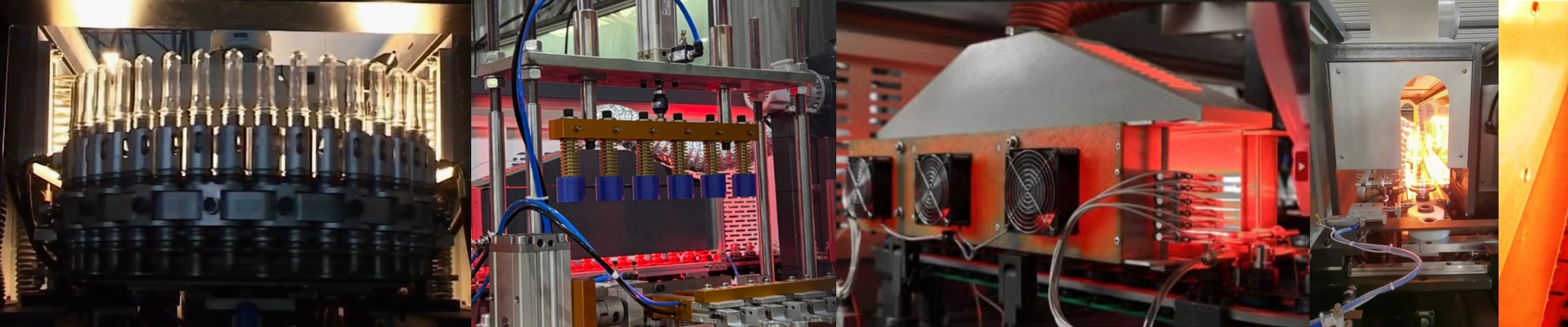
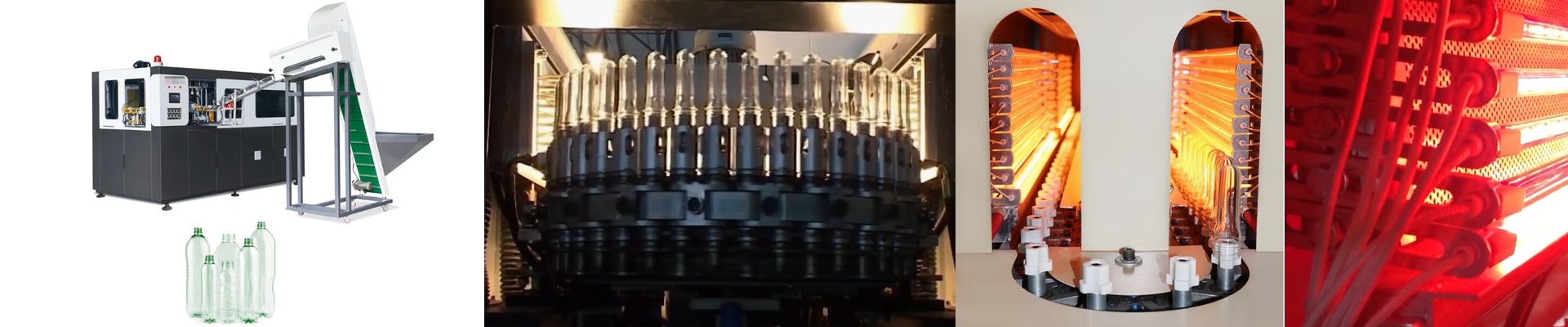
Ever notice how a convection oven seems to have a mind of its own? One minute it’s perfect, and the next, a draft hits the shop floor or the outside temp drops, and suddenly your internal heat profile tanks. That’s when you get uneven curing or drying—and that’s usually when a whole batch ends up in the scrap bin. We deal with this by using Twin Tube IR heaters. It’s basically a tag-team effort: you get the raw power of radiant heat working right alongside your forced air. Stop guessing with the temperature If you’re relying on a basic on/off switch, you’re fighting a losing battle. You need a closed-loop PID system that actually talks to the IR lamps. The beauty of these heaters is that they react almost instantly. The second a sensor picks up a dip in temp, the system kicks the IR tubes into high gear. It happens so fast that the heat is there before the convection air even realizes something changed. No more “cold spots” ruining your work. Why the “Twin Tube” thing actually matters Think of it as doubling your heat density without taking up any more room. We put two filaments inside one specialized quartz envelope. This creates a much more even radiation pattern across the whole oven. You get that immediate “punch” of shortwave IR to hit the surface, while the convection air handles the slow-and-steady core heating. It’s the best of both worlds. The stuff you need to watch out for Now, this isn’t magic—it’s physics. High-density IR puts a real load on your power supply. If you’re installing a high-wattage array, make sure your wiring can actually handle the peak current. If you skimp here, you’ll deal with voltage drops that’ll drive you crazy. Also, these tubes get hot—fast. Make sure your oven chassis has plenty of venting. If you let the heat soak build up inside the cabinet, you’re going to fry your control relays. Getting it running We built these to be drop-in replacements for most industrial setups. The trick is to wire them to an SCR (Silicon Controlled Rectifier). This lets you dim the power precisely. Instead of just “on” or “off,” you can dial in the exact wattage needed to cancel out whatever weather is happening outside your shop that day. It just works.