
How to Actually Get Even Heat in a Rotary Oven
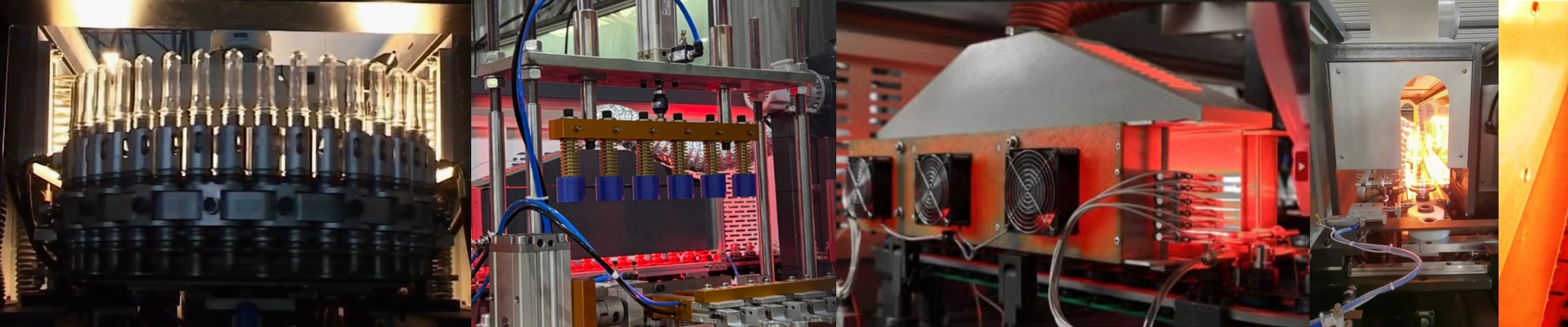
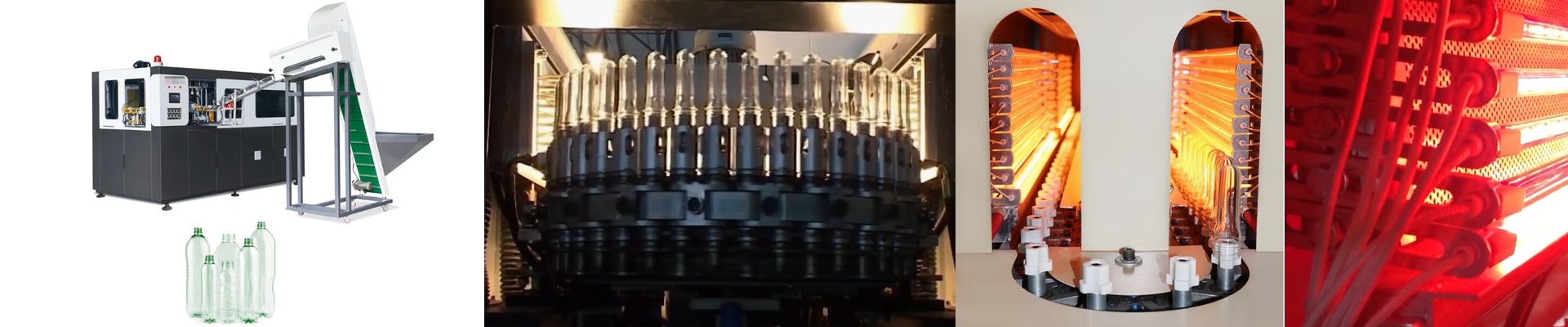
If you’ve ever pulled a rack out of a rotary oven only to find some spots piping hot and others barely lukewarm, you know the frustration. A fan alone just doesn’t cut it. Air is lazy. It takes the path of least resistance, meaning it often misses the middle of your product or gets blocked by the rack itself. To fix those annoying cold spots, we bring in infrared (IR) heating elements. Think of it like the sun. While the fan moves hot air around, the IR lamps blast radiant heat directly into the food. No waiting for the air to warm up—it just hits the target. The trick is in the setup. We use quartz infrared tubes because they’re tough. They can handle being turned on and off rapidly without snapping from the thermal shock. As the rack spins, the food basically swims through a field of heat. Top, bottom, sides—everything gets hit equally. But you have to be careful with the wattage. If you go too high, you’ll burn the outside to a crisp while the inside stays cold. Too low? The rack spins faster than the heat can soak in, and you’re left with undercooked food. It’s a balancing act. A few things to watch out for during installation… These lamps get incredibly hot. You can’t just cram them into the oven and hope for the best. If they’re too close to the chassis, you’re going to fry your control boards. Make sure your insulation and cooling fans are actually up to the task. And if you’re swapping out an old part for a new one, double-check your voltage and connectors. A tiny mismatch here is the fastest way to kill a filament. One last tip:keep the quartz clean. Grease buildup might seem harmless, but it acts like a shield, blocking the heat and killing your efficiency. A quick wipe-down makes a world of difference.