

Stop Dealing with Cold Edges in Your Bakery Ovens
If you’ve spent any time around a large-scale industrial oven, you know the headache of “cold edges.” You pull a batch out and the middle is perfect, but the edges are underbaked because the oven chassis just sucks the heat right out of the sides. It’s frustrating. We fixed this using short-wave infrared (SWIR) quartz tubes. Here’s the thing: most ovens rely on moving air to get the job done. But short-wave radiation is different. It doesn’t care about air circulation. It just hits the product directly.
How it actually works
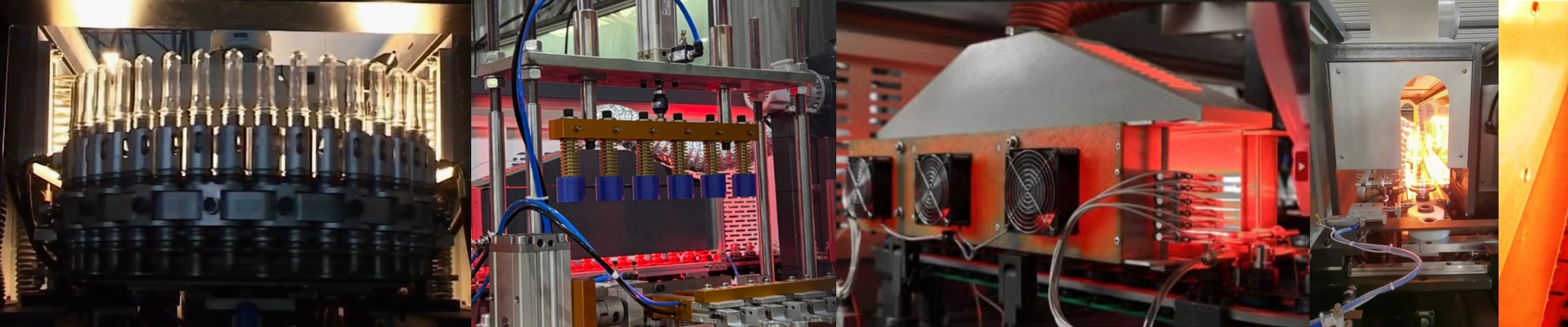
Inside these tubes, we’ve got tungsten filaments tucked into high-purity quartz glass. They put out energy in a very specific range (0.76 to 2.5 $\mu$m). Why does that matter? Because that’s the exact frequency that water and fats in your dough love to absorb. Instead of heating the air around the bread, the heat dives straight into the dough. Since it’s radiative heat, we can just crank up the density at the edges of the conveyor. It cancels out that “heat sink” effect from the oven walls, and suddenly, your edges look exactly like your center.
The nitty-gritty on the hardware
These things are fast. Like, “on-in-seconds” fast. You don’t have to waste energy warming up massive heating banks for an hour before you start production. To make sure they last, we fill them with halogen gas. This stops the filament from evaporating too quickly, so you aren’t replacing tubes every other week even when you’re pushing high wattage. One heads-up on the electrical side: These arrays pull a lot of current the moment they kick on. If your wiring is old or your relays aren’t rated for that peak amperage, you’re going to burn them out. Make sure your power supply can handle the initial surge.
Keeping things running
We designed these as drop-in replacements, so they should fit right into your existing setup without a fight. We kept the tolerances on the end-caps tight so the electrical connections stay snug. But there’s a catch. You have to keep the quartz clean. If flour dust or grease builds up on the glass, it creates hotspots. Those hotspots lead to thermal shock, and that’s how you end up with a shattered tube. A quick wipe-down saves you a lot of downtime.