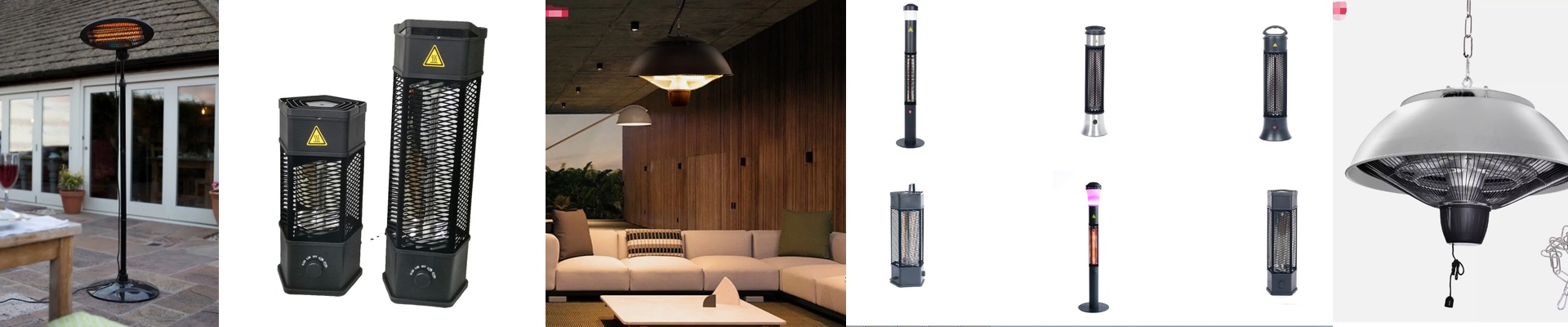



Why Most Bathroom Heaters Die (And How We Stop It)
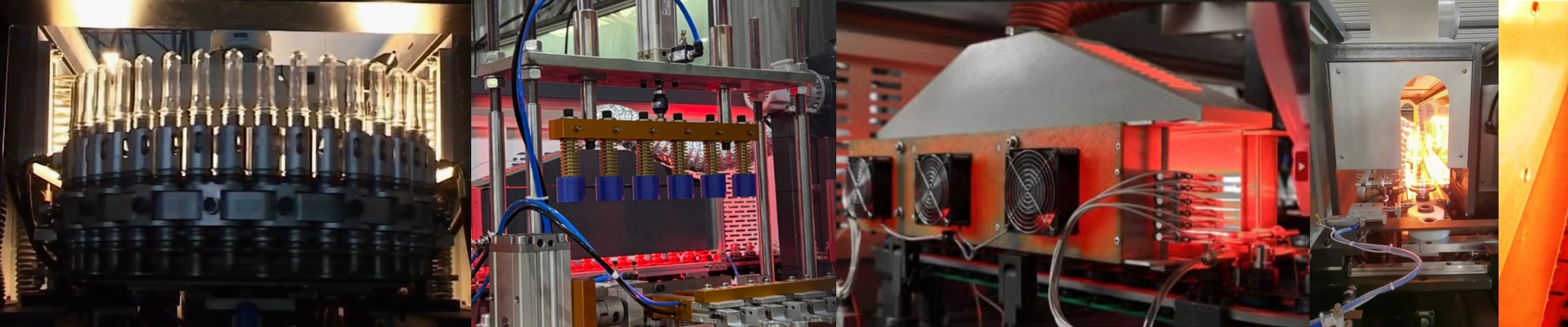
Bathrooms are basically torture chambers for heating elements. You’ve got steam everywhere, random water splashes, and the temperature jumping from freezing to scorching in seconds. We don’t just put these lamps together and hope for the best. We actually try to break them. Every batch goes through “damp-heat aging tests”—which is a fancy way of saying we lock them in a sauna for hundreds of hours to see exactly when they give up. The real enemy isn’t the heat. It’s the seal. Most of these heaters use shortwave infrared quartz tubes. When you flip the switch, that tube goes from room temperature to 600°C almost instantly. While that’s happening, the quartz expands and shrinks. If the seal at the end-cap is off by even a tiny fraction of a millimeter, moisture sneaks in. The second a drop of water hits that white-hot tungsten filament? Pop. It’s gone. That’s why we spend so much time in those humidity chambers. We’re hunting for seal leaks or any sign of rust on the electrical contacts before the product ever reaches your house. Dealing with the stress There’s also the issue of “thermal stress.” The middle of the tube gets incredibly hot, but the ends stay relatively cool. That creates a lot of tension in the glass. In a room full of steam, that tension can actually cause the glass to crack. To fix this, we use a specific grade of quartz. If you look at a cheap lamp, it looks exactly the same. But put it in our aging test, and the cheap stuff fails every single time. A quick heads-up on installation Here’s the trade-off: to make these lamps this reliable, we have to make the seals incredibly tight and use high-spec glass. This means they aren’t as “flexible” during install. Please, don’t try to force the tubes into a tight housing. If you manhandle them or over-tighten the brackets, you’re basically undoing all the hard work we did in the testing chamber. Just wire them up carefully. Treat them with a bit of respect, and they’ll keep you warm for a long time.