


Fixing the Heat Gap in Multi-Deck Ovens
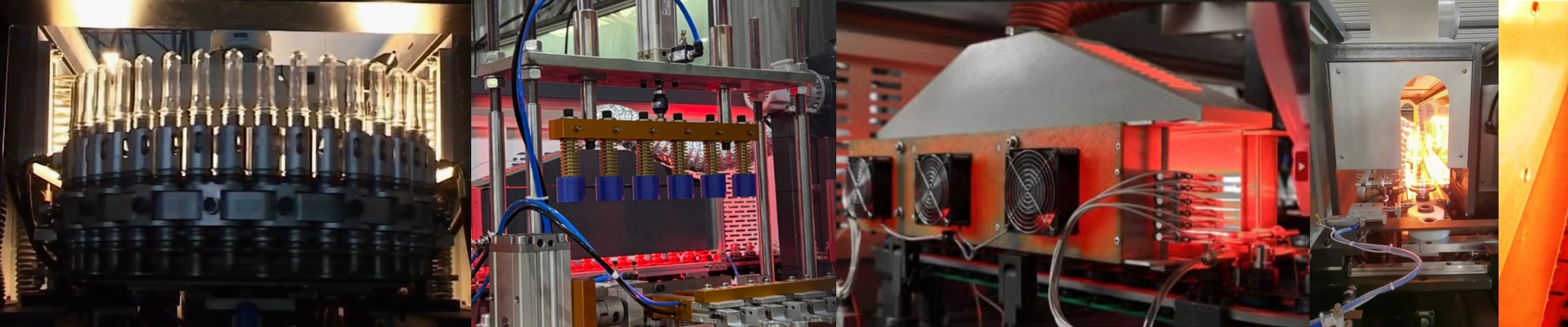
If you’ve spent any time with a multi-deck oven, you know the struggle. The bottom deck is usually a furnace because of all that trapped heat soak, while the top deck is constantly fighting the cold air from the ceiling. It’s frustrating. You’re basically playing a guessing game with your bake. We found a way around this by swapping out the usual convection or resistive elements for 110V infrared (IR) lamps. The goal? Making every single deck act like its own independent oven. How it actually works Most ovens just push hot air around. IR lamps are different. They send electromagnetic radiation straight into the dough. They don’t waste time heating the air first; they go right for the bread. By pairing these 110V lamps with dedicated PID controllers for each deck, you stop the heat from “bleeding” between layers. Now, you can set your middle deck to 220°C and your top deck to 240°C. They just stay there. No interference. No fighting. The gear you’ll need We use high-purity quartz glass for the tubes. It’s the best way to make sure the IR heat actually gets through. Since they run at 110V, the response time is incredibly fast. The second the sensor feels a dip in temperature, the lamp kicks in at full blast. This is huge for that critical “oven spring” phase—it keeps the crust from sagging right when the bread is trying to climb. But a word of warning on the wiring. These IR tubes pull a lot of amps. If you use cheap relays, they’ll fry. I highly recommend solid-state relays (SSRs). They handle the fast switching cycles much better, which keeps your temperature window tight—we’re talking within $\pm 1^\circ\text{C}$. The trade-off Nothing is perfect. IR lamps give you that instant heat hit, but they don’t last forever like those heavy-duty coils do. You’ll probably be swapping them out every 5,000 to 10,000 hours, depending on how hard you push them. For me, it’s a fair deal. I’d rather spend a little time replacing a lamp than wonder why my crust color is off or my crumb structure is inconsistent.