

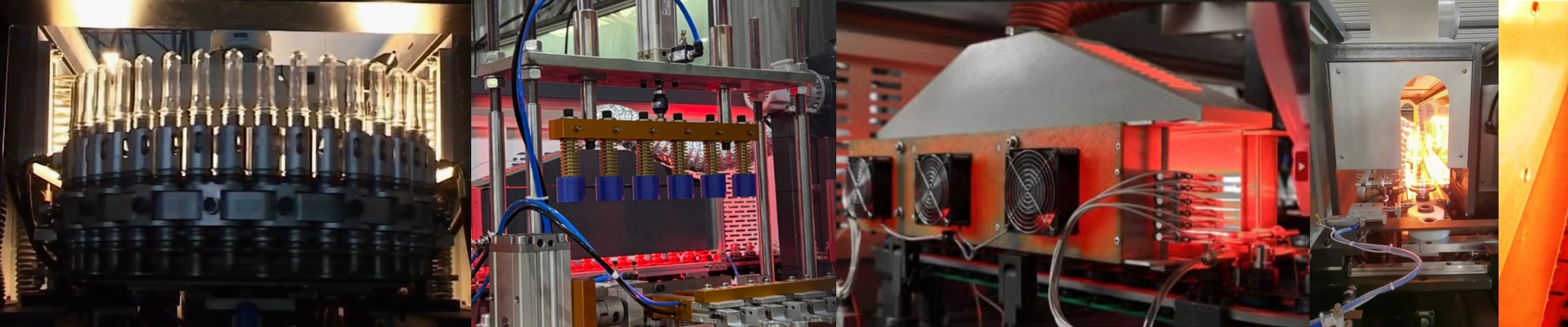

Why Infrared Bulbs are a Secret Weapon for Steam Ovens
Most steam ovens just lean on convection to get the job done. That works, sure. But when you throw infrared (IR) bulbs into the mix, you’re changing the whole game. Instead of just heating up the air, you’re using radiant heat. The steam takes care of the moisture and keeps the inside tender, while the IR bulbs hit the surface with high-intensity energy. It’s the only way to get that perfect sear without drying out the middle of your food.
Getting that Perfect Crunch
We use short-wave infrared emitters to nail that “crispy outside, juicy inside” vibe. Here is the trick: conventional heaters warm the air around the food. IR radiation doesn’t bother with the air. It travels in straight lines and hits the water and fat molecules in your food directly. This causes the surface temperature to spike almost instantly. Because these bulbs pack so much punch, they heat the outer layer way faster than the heat can soak into the center. You get a beautiful, brown Maillard reaction on the crust, while the steam keeps everything inside moist and succulent.
The Nitty-Gritty Hardware
We build these lamps using high-purity quartz glass and halogen gas. Why? Because the halogen cycle stops tungsten from clouding up the tube. This means your light output stays strong and consistent for thousands of hours. No fading, no surprises. Depending on how much space you have in your oven, you’ll probably go with R7s or SK15 connectors to make sure everything stays snug. We also use high-voltage setups—think 230V or 400V—to push more wattage through a thinner tube. It just makes the heat hit harder.
A Few Things to Watch Out For
These bulbs are powerful. Like, really powerful. You can’t just toss them into any old oven chassis and hope for the best. If you don’t have the right ventilation or heat-shielding around the sockets, you’re going to melt your wiring or warp the housing. It’s a mess. We always suggest pairing them with a PID controller. You need that precise pulsing. Without it, you’ll end up charring the outside of your meat before the steam even has a chance to do its thing.