

Keeping Your Bathroom Heater from Becoming a Hazard
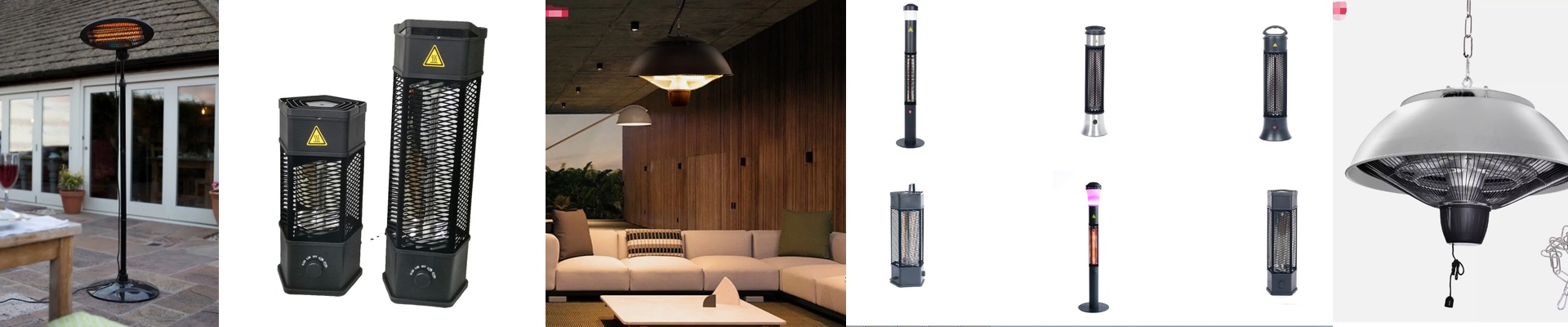
Putting an infrared heater in a bathroom is basically like inviting a fight with steam and moisture. If you’re wiring one into the ceiling, you’ve got to be careful. Water and electricity don’t mix, and in a steamy shower, the risk of a short circuit is very real. To keep things safe, I focus on two things: the stuff the heater is made of and how we keep the electricity isolated. The battle against moisture Steam loves to find a way in. It creates these tiny conductive paths on surfaces that can lead to a disaster. That’s why we use high-purity quartz glass for the heating element. It’s a great natural insulator. But the real danger zone is where the electrodes meet the glass. We use ceramic-to-metal seals there to lock out water vapor. If that seal gives way? Your lamp is going to burn out, or your GFCI outlet will trip instantly. Not a great way to start your morning. Don’t skimp on the connectors Your average hardware store connector just won’t work here. You need housings with a high IP rating—basically, things that are built to keep steam out of the terminals. I always use heat-resistant silicone gaskets around the mounting flange. This stops condensation from dripping right onto the live wires. And please, use moisture-resistant cabling. If you use the cheap stuff, the insulation will just rot away over time, and you’ll end up with a ground fault. The reality of the heat Here’s the thing about high-wattage shortwave lamps: they get hot. Fast. That heat creates a temperature difference that actually pulls moist air toward the fixture. It’s a bit of a paradox. If your bathroom doesn’t have great ventilation, condensation builds up on the cooler parts of the heater, which puts a ton of stress on your insulation. One last tip: grab your tools every six months and check your ground bonds. Corrosion happens. You want to make sure your safety path is still intact before you ever flip the switch.