


Getting Your Sidel Matrix Lamps Right the First Time
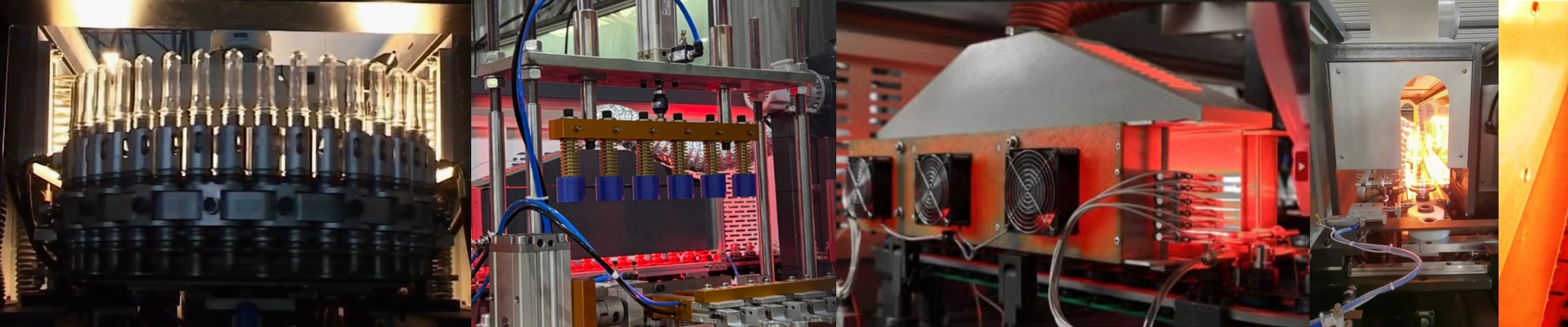
Ever swapped out your OEM IR lamps in a Sidel Matrix blower only to find your temperature curves are all over the place? It’s a headache. Here’s the deal: if the wattage is off by even 5%, you’re in trouble. Your preforms end up either under-heated or scorched, and suddenly your bottle wall distribution is a mess. It all comes down to the heat. We don’t just look at the voltage and length and call it a day. That’s a rookie mistake. We obsess over the “heat flux”—basically, exactly how much energy is actually hitting the PET surface. For a Sidel Matrix, that means getting the filament diameter and the quartz envelope thickness just right. If the envelope is too thick, it shifts the heat profile. Too thin, and the radiation changes. We match these specs 1:1. Why? Because we don’t want you spending your entire weekend rewriting oven heating profiles just because you changed a lamp. No fighting with the hardware Our lamps are true drop-in replacements. We use high-purity quartz so they don’t burn out the second things get hot. Plus, we precision-machine the connectors. They slide right into your Sidel sockets without any forcing. No shoving, no struggling, and most importantly, no arcing at the contact points. It just fits. A quick reality check Higher heat density is great because it lets you run faster cycles. But there’s a catch. Running these lamps at peak wattage puts a lot of pressure on your reflection chambers. If your reflectors are pitted or oxidized, you’re wasting energy. You won’t feel the full benefit of the match because the heat is soaking into the machine frame instead of hitting the preform. Next time you’re swapping lamps, take a second to look at those reflectors. It’s the easiest way to make sure you’re actually getting what you paid for.