


Why We Use 110V Halogen Elements for High-Stakes Baking
If you’ve ever tried a really complex bake, you know the struggle. It’s not just about having a heat source; it’s about how fast that heat can change. Traditional oven coils are slow. They take forever to warm up and even longer to cool down. That lag is a nightmare when you need a precise temperature shift right now. That’s why we swapped the old-school coils for 110V halogen bulbs.
The magic of an instant response
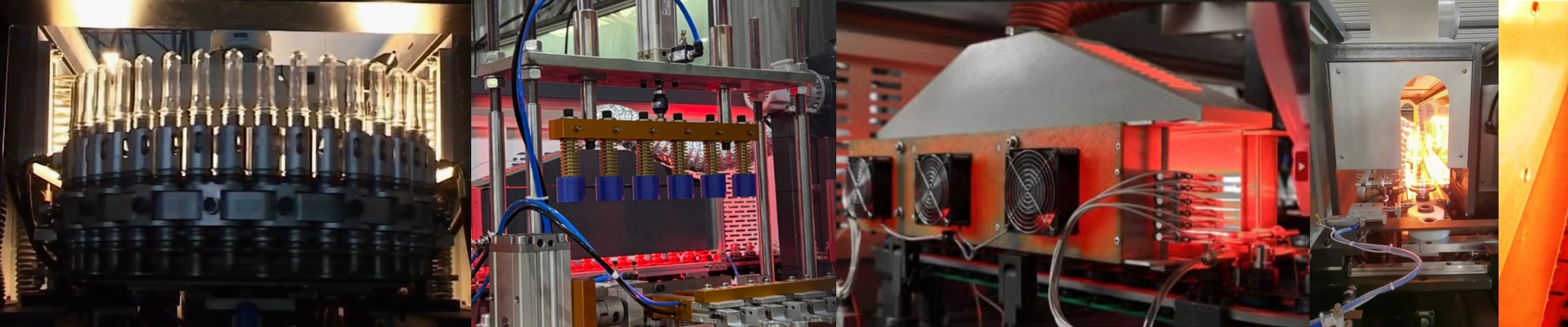
Think of a standard oven element like a big heavy rock. Once it gets hot, it stays hot. Halogen is different. Because these bulbs use a tungsten filament inside a quartz envelope, they blast short-wave infrared radiation. Instead of waiting for the air in the whole oven to heat up, the energy hits the food directly. It’s fast. Really fast. We can flick these lamps on and off in seconds. So, if your recipe says to drop from 200°C to 150°C, the system just pulses the power. You get that temperature shift almost instantly, without the guesswork.
Setting it up
We use the 110V version because it plugs right into standard home or light commercial power. Usually, we tuck these into the ceiling or walls to get that perfect top-down heat. One thing to watch out for: the glass. Since these things get incredibly hot, you need high-purity quartz. If you use cheap glass, it’ll cloud over or just burn out way too quickly. Also, don’t try to run this with a basic mechanical thermostat. It won’t keep up. You’ll need a high-frequency PID controller. You need something that can handle those rapid-fire switching cycles without the relays giving up the ghost.
The trade-off
Now, here’s the catch. Radiant heat is aggressive. Since the heat is so concentrated, you have to be careful. If your rack is off by just an inch, you might end up scorching the top of your pastry. The trick is to balance the halogen blast with a bit of convection airflow. That way, the center cooks through properly while you keep a tight grip on the surface.