


Stop Fighting Your Preforms: Getting Heat Where It Actually Matters
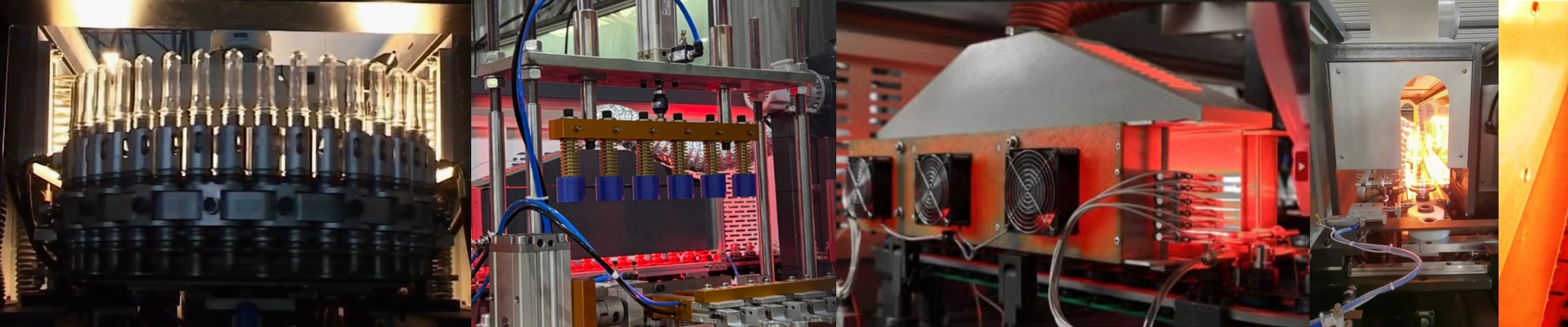
If you’ve spent any time on a high-speed line, you know the struggle. You’re trying to get heat deep into the core of a thick-walled preform, but by the time the center is warm, the surface is practically scorching. It’s a frustrating balancing act. For those of you running Husky HyPET or SIPA SFR 12 rotary systems, the lamps in your oven aren’t just light bulbs. They’re the heartbeat of the whole process. That’s why we built our replacement lamps to lean heavily into short-wave infrared (SWIR). It’s basically a way to push the heat deeper into the PET material instead of just baking the outside. The secret is in the density. To keep up with the speeds a HyPET system demands, you need a massive amount of heat in a very small space. We use high-wattage halogen filaments tucked inside heavy-wall quartz. Why the heavy glass? Because it lets the lamp run hotter without the glass softening or bowing under the pressure. When you cram that much wattage into a tight footprint, you get a much stronger radiant flux. In plain English: the energy actually reaches the base and the neck, so you can stop worrying about those annoying cold spots. It’s all about the fit. We also use specific coatings on the quartz to shift how the heat is emitted. This keeps the surface from overheating while the center finally catches up. And since nobody has time for a headache during a changeover, we made these drop-in replacements. They match the OEM length and connector specs exactly. Whether you’re dealing with R7s or specialized SK connectors, they click right in. That’s important because a loose connection is a disaster waiting to happen—it leads to arcing and kills your lamps way too fast. One thing to keep in mind… These lamps pack a punch. You’ll notice faster warm-up times and bottles that actually look the way they’re supposed to. But there is a catch. All that extra thermal energy puts a lot more stress on your oven’s cooling blowers. If your cooling system is old or under-powered, the ambient temperature inside the oven will start to climb. If that happens, your preforms might start deforming before they even hit the blow stage. Just keep an eye on your airflow and make sure it’s calibrated for the extra heat. Do that, and you’re golden.