


Can a few new lamps actually save your old blow molding machine?
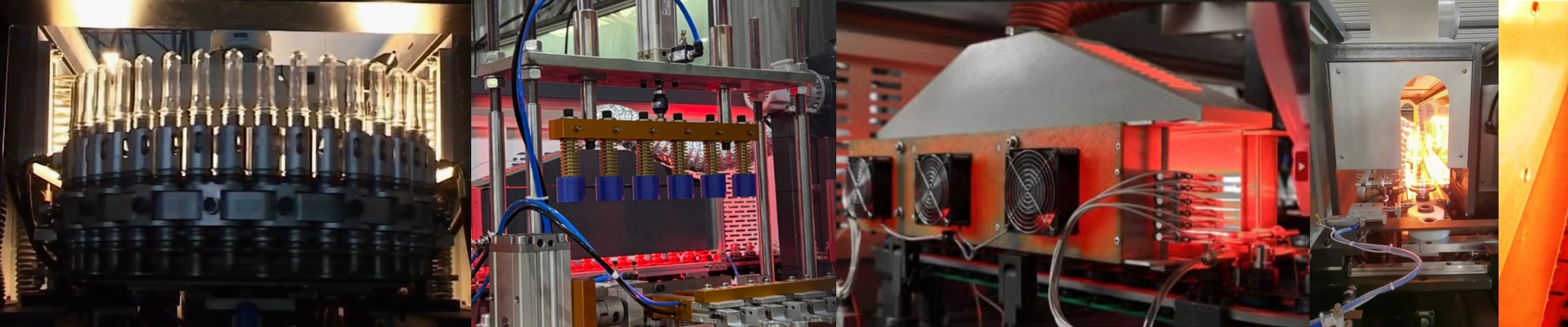
Let’s be honest. A lot of small and mid-sized shops are running PET blow molding machines that have seen better days. They still work, but they’re sluggish. You’re staring at the clock, wishing your cycle times were faster, but you just can’t justify spending a fortune on a brand-new machine right now. When that happens, the first place I look is the heating oven. If your heating elements are old and worn out, you’re fighting a losing battle. But swapping those out for custom infrared lamps? That’s where things get interesting. It can shrink your heating window and actually get more bottles out the door. The trick is all about heat density. To speed things up, you need to get heat into that PET preform fast—but not so fast that you scorch the plastic. It’s a delicate balance. We look at the wattage-to-length ratio. By putting a high-wattage lamp into a short space, you crank up the heat flux. If you switch from a basic quartz tube to a high-density halogen lamp, you’re basically hitting the plastic with more intense radiation. The preform hits its glass transition temperature in a few less seconds. It sounds small. But when you multiply that by thousands of bottles, it adds up fast. The nuts and bolts We use heavy-wall quartz glass because it doesn’t give up. It can handle the thermal stress without burning out prematurely. Depending on the shape of your preform, we can even add specific coatings to the glass. This shifts the emission spectrum so the heat actually sinks into the plastic wall instead of just searing the surface. And don’t worry about a massive electrical overhaul. We use R7s or Sk15 connectors. They’re drop-in replacements. They fit your existing sockets, so you aren’t spending your weekend rewiring the whole oven. The catch (because there’s always one) More heat isn’t a magic wand. If you go with a lamp that has way more wattage than what the machine was built for, your ventilation and cooling systems are going to feel the strain. Keep a close eye on the temperature of those lamp housings. If the airflow isn’t strong enough to cool the sockets, you’re risking melted wiring or a very short lamp lifespan. You have to find that sweet spot where the heat output matches what your machine can actually cool. Otherwise, you’re just trading a slow machine for a broken one.