


Getting More Out of Your Nissei ASB 70DP
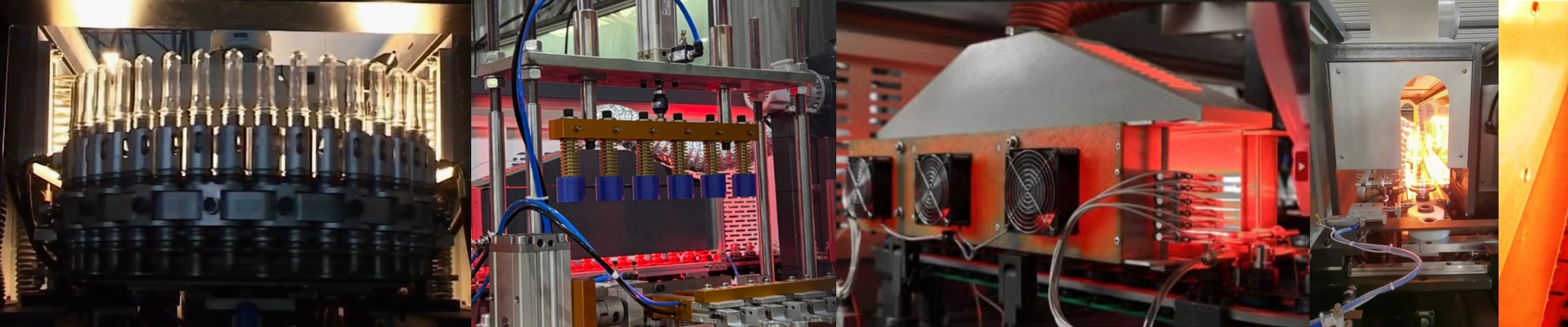
If you’ve got an old Nissei ASB 70DP sitting on your shop floor, you know the frustration. You’re staring at the clock, trying to hit your cycle times, but the machine just isn’t keeping up. Your first instinct might be to blame the motor or the blow valve. But honestly? Most of the time, the problem is just a lack of heat. If your infrared (IR) lamps are dim or just worn out, you’re forced to slow everything down. You have to give that PET preform more time in the oven just to make sure it’s heated evenly. It’s a bottleneck that kills your productivity. Here’s the trick: focus on heat density. By swapping out standard lamps for high-output IR elements, you change the whole vibe of the oven. We lean into short-wave radiation because it punches through the PET wall way faster than the long-wave stuff. Basically, you’re cranking up the wattage per millimeter. This gets the plastic to that “sweet spot”—the glass transition temperature—much quicker. Less waiting. More bottles. But don’t just buy any bulb. A replacement for the ASB 70DP has to fit perfectly. We use quartz glass with a halogen cycle. Why? Because it stops the tungsten filament from evaporating, which means your light output stays steady for thousands of hours instead of dipping off after a month. Just do me a favor: check your voltage and connectors (usually R7s) before you start wiring. And a word of caution—if you jump to a higher wattage to squeeze out more speed, make sure your power supply and wiring can actually handle the extra current. Thin wires and high amperage are a recipe for a burnout, and nobody wants to deal with a melted cable on a Tuesday morning. The trade-off Better lamps mean more bottles per hour. Simple. But there’s a catch. All that extra heat doesn’t just go into the plastic; it hits the oven internals and the chassis too. You’ll notice the air around the heating station getting a lot hotter. If your cooling fans are clogged with dust or just can’t keep up, you’re risking your electronics. Keep your airflow clean. Give the machine room to breathe, and it’ll handle the extra load without breaking a sweat.