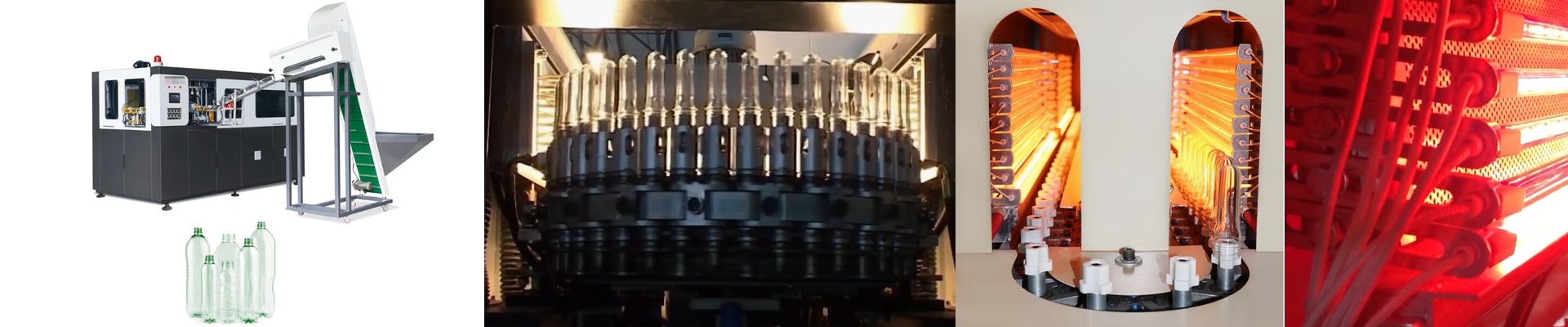

Why we use Halogen Infrared for instant sterilization
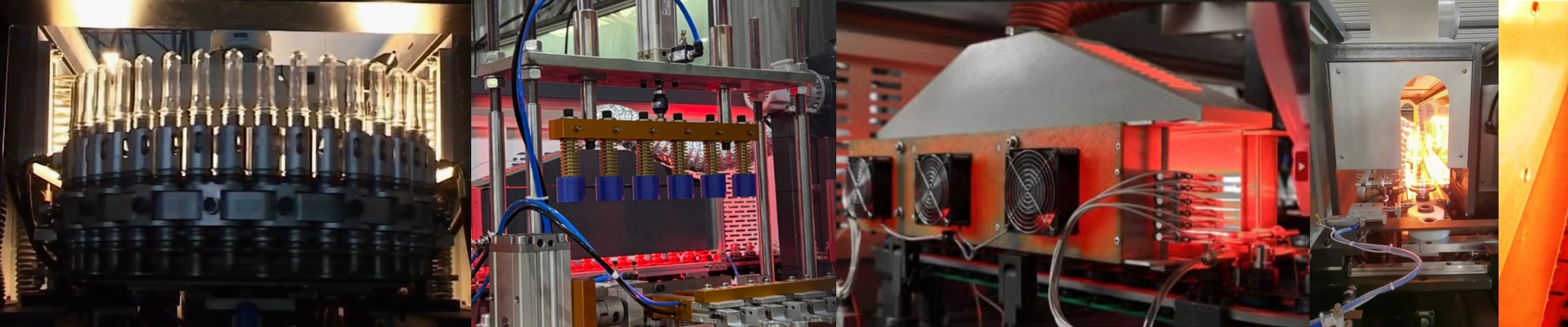
If you’re trying to hit sterilization temps in a matter of seconds, those old-school resistive heating elements just won’t do the job. They’re too slow. They have way too much “thermal mass,” which is a fancy way of saying they take forever to warm up. That’s why we stick with halogen infrared lamps. They give you a massive heat spike almost the instant you flip the switch. It’s a different kind of speed. We’re talking about a response time measured in seconds, not minutes. How it actually works Inside these lamps, you’ve got a tungsten filament tucked inside a quartz envelope. There’s halogen gas in there to stop the filament from evaporating, so the bulbs don’t just burn out the moment you put them to work. But here’s the real secret: the heat moves via short-wave radiation. It doesn’t bother heating up the air in the cabinet first. Instead, it beams the heat directly onto the surface of your gear. It’s direct, it’s efficient, and it’s incredibly fast. The tricky parts Now, these things put out a huge amount of heat density. That’s great for killing germs, but it can be a nightmare if you aren’t careful with your build. You can’t just toss these into any old box. That quartz glass gets hot enough to melt cheap plastics or scorch a bad paint job. You’ve got to make sure your cabinet materials can actually handle that kind of radiant load. Plus, if your ventilation is sluggish, the heat just builds up until your thermal cut-offs trip and shut everything down. Not ideal. Getting it wired up To keep things simple, we usually go with R7s or SK15 connectors. They’re basically plug-and-play, which saves a lot of headaches during assembly. But the wiring is only half the battle. You need a brain to run the lamp. If you just use a basic on/off switch, the temperature will likely overshoot your target and get way too hot. We’ve found that using a PID controller or a fast-acting SSR (Solid State Relay) is the way to go. It lets you modulate the power, so you get that initial blast of heat but then settle right into a stable temperature where it needs to stay.