


Stop Waiting for Your Oven to Warm Up
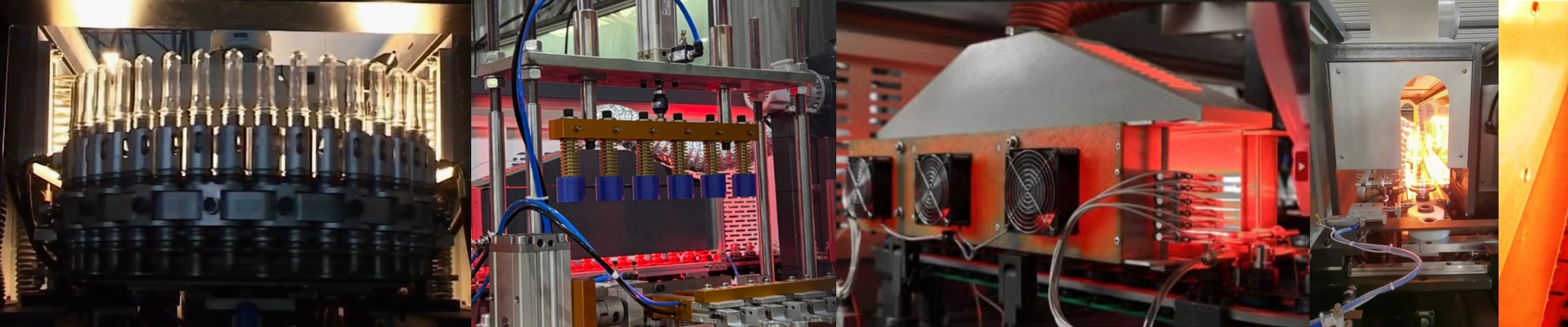
Nothing kills a production schedule faster than a sluggish oven. You’re standing there, watching the clock, waiting for the temperature to climb while your throughput just tanks. It’s frustrating. When your main heating elements can’t keep up with the pace, you need a boost. That’s where carbon fiber heating tubes come in. These aren’t your typical coils that just warm up the air; they’re short-wave infrared emitters. Basically, they blast heat directly into your product. How it actually works Think of it this way: traditional metal alloys are slow. They heat the air, and the air slowly heats the product. It takes forever. Carbon fiber is different. It has a much higher heat density, and because it uses short-wave energy, it sinks right into the surface of whatever you’re cooking or curing. It hits the core much faster. The best part? There’s no waiting around. You flip the switch, and you have heat. Right now. Getting them installed Usually, these tubes just slide right into your existing setup. They can be add-ons or replacements, depending on what you need. We wrap the carbon filaments in quartz glass to keep them from oxidizing, and we can wire them for either 220V or 380V systems. But a word of warning: these things gethot. Like, really hot. If you crowd them too closely without enough airflow or shielding, you’re going to scorch your product or melt your insulation. You’ll also want to double-check your PID controllers. Since these tubes react so quickly, a slow controller will overshoot your target temperature before it even realizes it needs to dial back. What this does for your day Once you get these running, your whole workflow changes. The pre-heating phase shrinks. The time it takes to get a batch through the oven drops. But the real win is the “recovery time.” You know that dip in temperature that happens the second you load a bunch of cold product into the oven? With carbon fiber, that dip barely happens. The oven snaps back to the set point almost instantly. It turns a slow, clunky process into something that actually feels precise. Your output goes up, and your stress goes down.