


Why “Second-Response” IR Heating Actually Matters
If you’re running a high-volume commercial line, you know the frustration of waiting. You flip the switch, and then you… wait. Standard resistive coils are slow. They have this stubborn “thermal inertia” that kills your momentum. That’s why we use short-wave infrared (IR). We call it “second-response” because it doesn’t mess around. The heat hits peak intensity almost the second you turn it on. No lag. No waiting. Just heat.
Getting the Cycle Time Right
Here is the thing: most heaters try to warm up the air around the product first. That’s a waste of time. IR lamps work differently—they send energy straight to the target via radiation. For anyone managing a floor, this means your “beat” or cycle time gets a massive boost. You can ramp up the temperature in seconds. If your current coils feel sluggish, you aren’t just losing time; you’re losing money on every single piece that moves through the oven.
The Nitty-Gritty Hardware
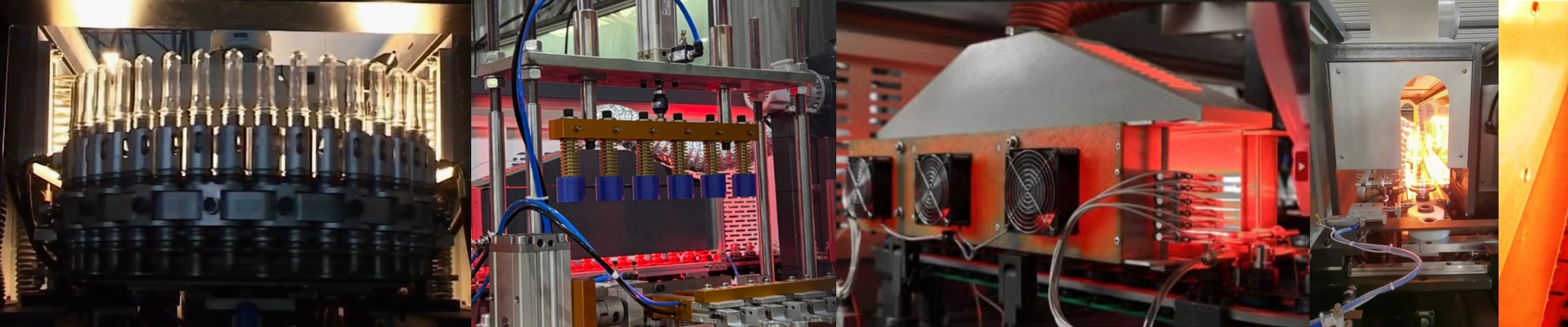
We designed these to be drop-in replacements. Whether you’re dealing with R7s or Sk15 connectors, we make sure the fit is tight. Why? Because at high wattages, a loose connection leads to arcing, and nobody wants that. These high-output tubes put a lot of stress on the quartz envelope. To stop the filament from evaporating and burning out, we use halogen gas fills. It keeps the lamps alive much longer, even when you’re cycling them on and off all day.
The Trade-offs (The Honest Part)
Look, speed comes with a catch. Because IR lamps are so intense, they can create nasty hotspots if your reflectors are dirty or pitted. You can’t just swap the lamp and call it a day. You’ve got to make sure those reflectors are polished. If they’re degraded, you’re basically throwing 30% of your energy away—and you might even warp your workpieces. Also, keep an eye on your cooling fans. They need to be strong enough to pull the ambient heat away from the housing, or you’ll be replacing your lamps way sooner than you should.