


Stop Drying Out Your Food: The Secret to Better Rotary Ovens
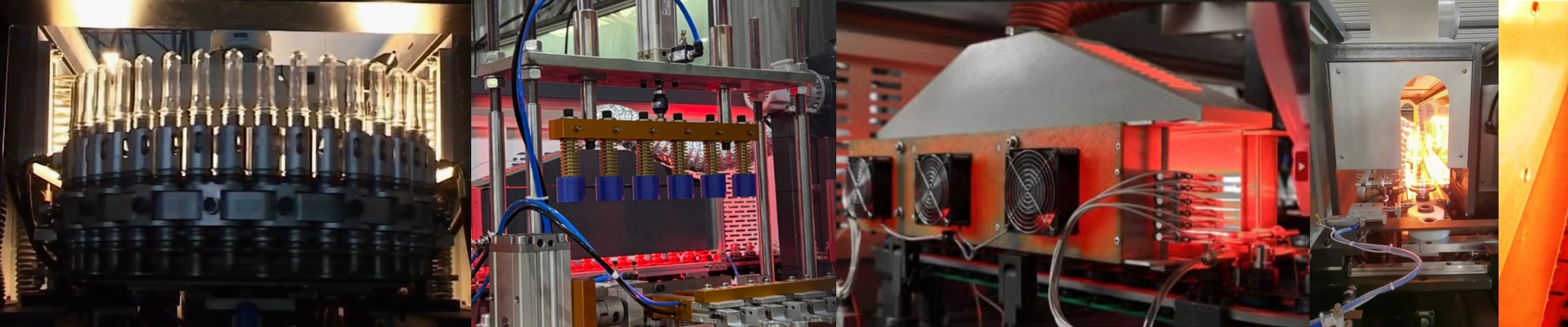
Ever pulled a batch out of the oven only to find it’s basically a cracker? It happens. Usually, it’s because the heat is taking too long to hit the center of the food, or it’s just hanging around too long. We’ve found a better way. Instead of relying on hot air to do all the heavy lifting, we use halogen infrared heaters. It’s a total shift in how the food actually gets its heat.
How the heat actually works
Think of it this way: traditional heaters warm up the air, and then the air warms the food. It’s slow. Halogen lamps are different. They shoot shortwave infrared radiation straight into the product. It’s fast. Really fast. Because the energy hits the surface instantly, you get a quick sear that seals the outside. This locks the moisture inside where it belongs, so you aren’t left with a dried-out mess.
Picking the right heater
When we’re designing these for rotary loads, it all comes down to the wattage-to-length ratio. If you pack more wattage into a shorter tube, the heat is more intense. The beauty of this is that you can actually lower your overall oven temperature but still get your product through the line just as quickly. We use quartz envelopes with special coatings to make sure the energy actually sinks into the food instead of just bouncing off the oven walls. And for the people actually doing the maintenance? We use R7s or Sk15 connectors. They make swapping out a lamp a quick, painless job.
The trade-offs (because nothing is perfect)
Here’s the thing: these tubes put out a massive amount of heat. If your conveyor is moving too slowly, you’re going to scorch your food. You have to get your belt speed and your lamp power perfectly in sync. Also, keep in mind that shortwave lamps don’t last forever. They burn out faster than the old-school longwave elements. You’ll want a solid replacement schedule so you don’t end up with some batches looking great and others looking pale. To keep things steady, we wire these into a PID controller with fast-response thermocouples. It lets you tweak the energy flow on the fly, which kills that “dried-out” effect you get in standard convection tunnels.