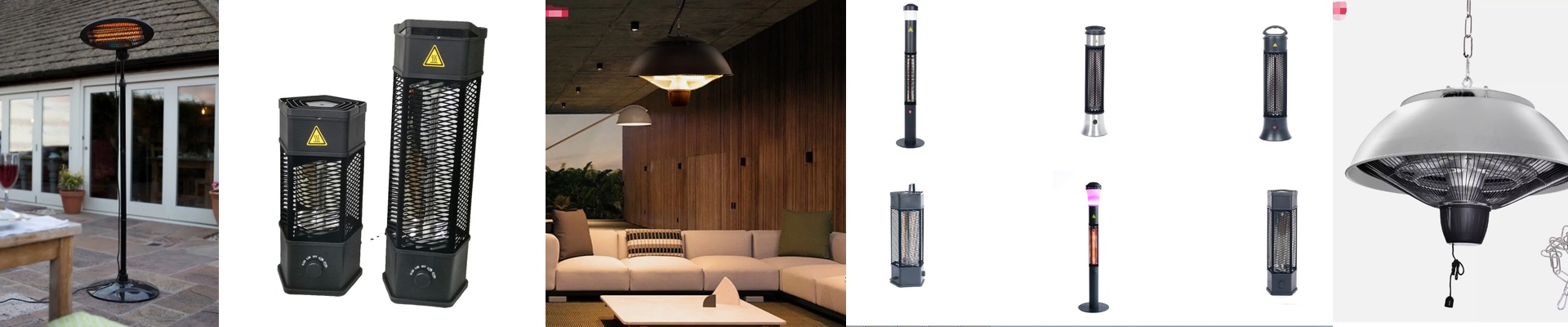


Stop Letting Your Patio Go to Waste This Winter
Let’s be honest: once the temperature dips, your outdoor seating basically becomes a ghost town. It sucks watching 30% or 50% of your capacity just sit there empty because nobody wants to shiver through a meal in a drafty breeze. That’s where shortwave infrared heaters come in. Here is the secret: most heaters try to warm up the air. But in an open-air patio? That warm air just blows away. It’s a waste of electricity. Infrared is different. It doesn’t care about the wind because it heats the people and the furniture directly.
That “Instant Warmth” Feeling
You know that feeling when you step inside a warm house after being out in the snow? That’s what this does. Because the heat penetrates through clothes and skin almost instantly, a customer can walk from a freezing parking lot to their table and feel cozy in seconds. And here is why that matters for your wallet:**warm people stay longer.**They aren’t rushing to finish their meal to get back to their cars. They order that extra round of drinks. They actually look at the dessert menu. That’s where your real profit jump happens.
Getting the Setup Right
You can’t just throw these up randomly. You have to think about “heat zones.” If you leave gaps, you get cold spots, and your guests will be complaining about a chill in their backs. You want those heat patterns to overlap. As for height, aim for about 2.5 to 3 meters. If you go too high, the heat thins out and doesn’t do much. Too low, and you’re basically giving your customers a sunburn on their shoulders. It’s a bit of a balancing act.
A Quick Warning on Power
One thing to watch out for: these commercial heaters are power-hungry. Don’t try to just plug them into a regular wall outlet. You’ll trip the breaker in ten minutes. You’ll need a dedicated circuit with industrial-grade breakers so your lights don’t go dark right in the middle of a Friday night rush.
The Big Picture
At the end of the day, you’re turning a dead zone back into a money-maker. More seats available means more tables flipped per night. When you look at the math, the cost of running the lamps is tiny compared to the cash you make from just two extra table turns an evening. It’s a no-brainer.